
Roof Ventilation Problems in Boston: Causes and Solutions
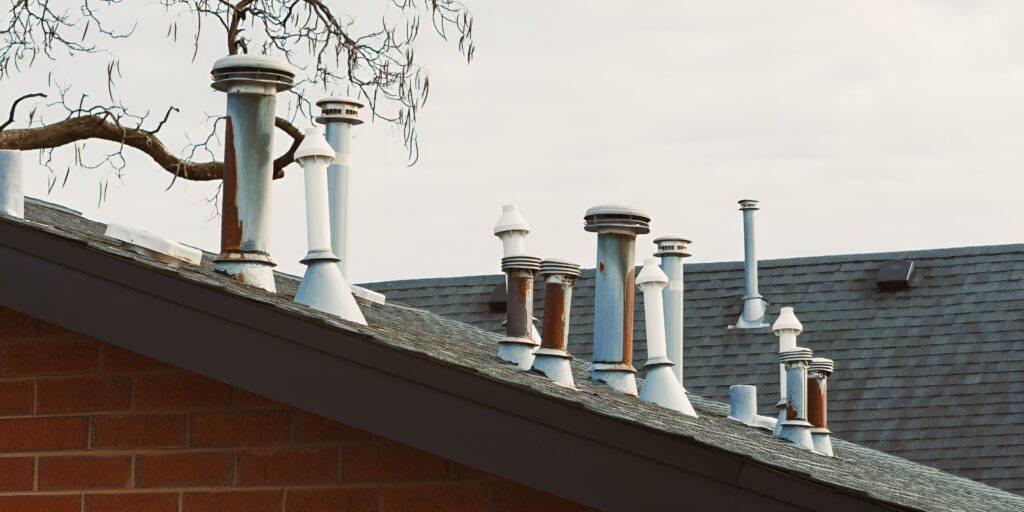
Roof ventilation problems can silently destroy your roof from the inside out, and Boston homeowners face this risk more than most. Boston’s harsh winters, humid summers, and constant freeze-thaw cycles put serious pressure on attic airflow systems. When ventilation fails, the damage builds fast: warped decking, mold growth, skyrocketing energy bills, and premature shingle wear.
What makes this especially frustrating is that the warning signs are easy to miss. By the time moisture stains appear on your ceiling or shingles start lifting, the underlying damage has often been building for months. Many homeowners treat these as isolated repair issues while the real cause, poor attic ventilation, goes completely unaddressed.
Boston’s older housing stock and extreme seasonal shifts create near-perfect conditions for ventilation failure. Understanding the causes and solutions behind roof ventilation problems is the first step to protecting your home long-term.
Table of Contents
Why Roof Ventilation Problems Are So Common in Boston
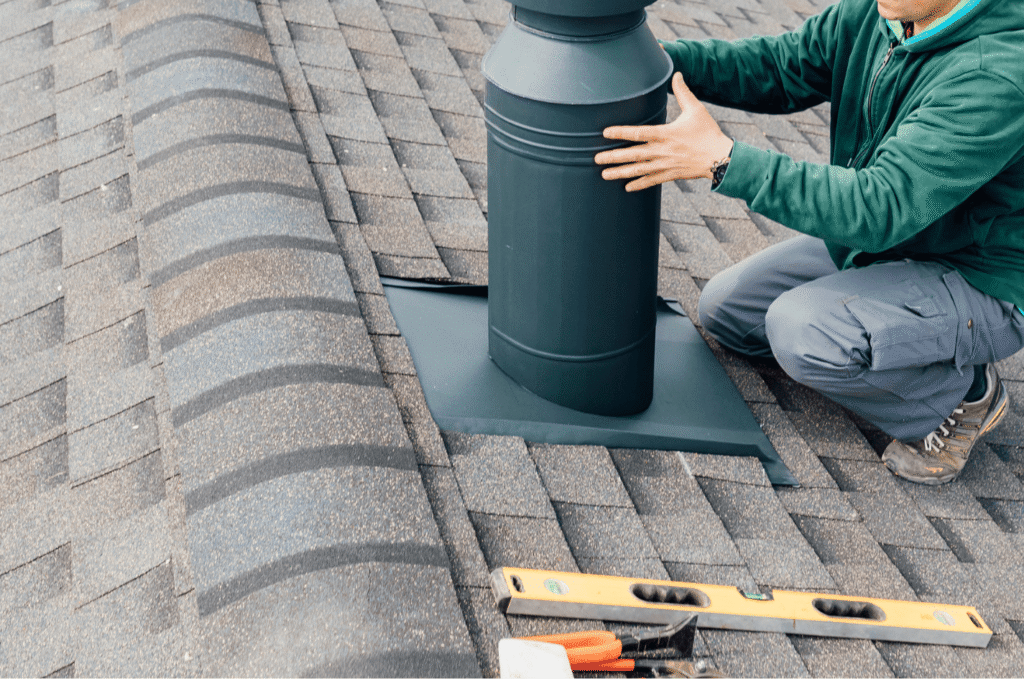
Roof ventilation problems are widespread in Boston due to the region’s extreme seasonal shifts, older housing stock, and common installation errors. Many homes here were built decades ago, when modern ventilation standards simply didn’t exist.
Boston’s climate pushes attics to both extremes. In winter, warm interior air hits the cold roof deck and creates condensation. In summer, attic heat builds to dangerous levels without proper airflow.
Aging Homes and Outdated Attic Systems
A large portion of Boston’s housing inventory dates back to the early 1900s. These homes were never designed with modern attic ventilation standards in mind. Blocked soffits, missing ridge vents, and inadequate intake-to-exhaust ratios are extremely common in older properties across neighborhoods like Dorchester roofing repairs and beyond.
When homeowners add insulation without adjusting ventilation, they often unintentionally seal off air pathways, turning the attic into a heat and moisture trap.
Installation Errors That Cause Lasting Damage
Even newer homes aren’t immune. Improper vent placement, mixed ventilation systems, and undersized vents are frequent installation mistakes. Combining power ventilators with passive vents can create negative pressure that pulls conditioned air out of living spaces instead of drawing fresh air in.
If the original contractor didn’t follow proper ventilation calculations, the system may have been flawed from day one. That’s why a professional Boston roof inspection is essential before any attic upgrade or repair project.
Signs of Roof Ventilation Problems You Shouldn’t Ignore
Signs of roof ventilation problems often show up inside the attic or on your energy bill before they’re visible on the roof. Catching them early is the key to avoiding major structural damage.
Many homeowners assume a leaking roof is a flashing or shingle issue. In reality, attic ventilation problems cause a surprising number of moisture failures that look identical to traditional leaks.
Moisture, Mold, and Condensation in the Attic
One of the clearest signs of roof ventilation problems is moisture buildup in the attic. You might notice wet insulation, water stains on the roof deck, or visible mold growth near the eaves. In winter, frost can form on the underside of the sheathing.
Left unchecked, this weakens the roof deck and creates conditions for mold that can spread into living spaces. If you’re noticing musty odors or ceiling stains on upper floors, attic ventilation problems may already be progressing. Our guide on attic summer damage covers how this escalates over time.
Higher Energy Bills and Uncomfortable Indoor Temperatures
Poor attic ventilation in Boston homes shows up clearly in monthly utility costs. When the attic overheats, your AC system works significantly harder. In winter, a poorly ventilated attic causes uneven heating and uncomfortable temperature swings throughout the house.
If your HVAC seems to run constantly without reaching your target temperature, it’s worth having your attic checked. Homeowners noticing this pattern with Cambridge attic ventilation issues often find poor soffit airflow is the root cause.
Ice Dams: Boston’s Most Damaging Roof Ventilation Problem
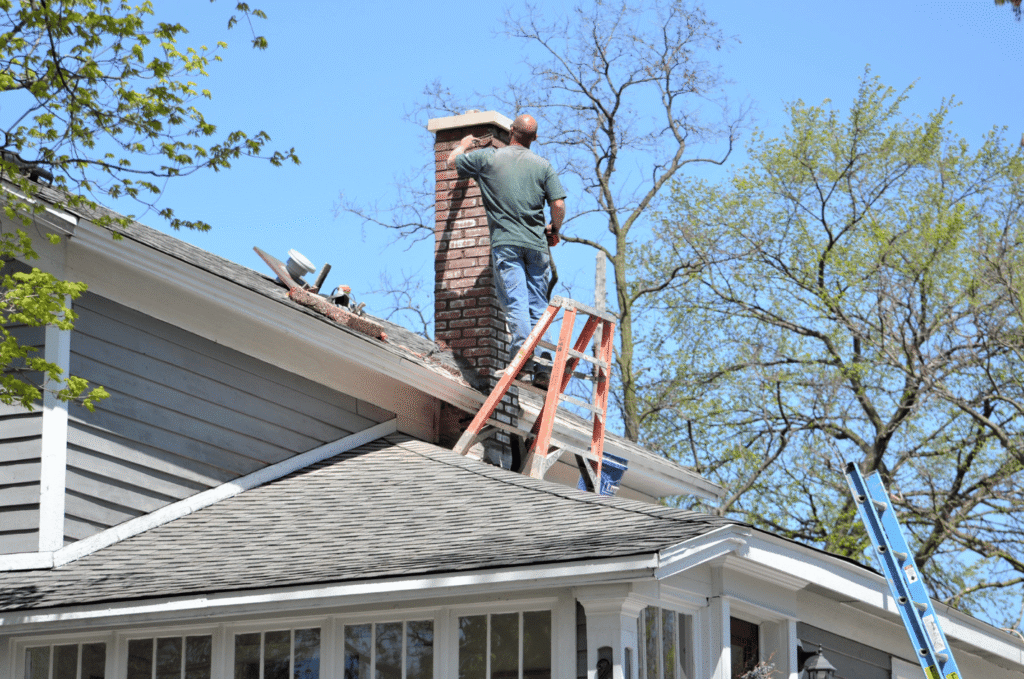
Ice dams are one of the most destructive consequences of poor roof ventilation in Boston, and they’re a nearly annual problem for homeowners across the region. When attic heat isn’t managed, it melts snow on the roof surface, which refreezes at the colder eaves.
The resulting ice wall blocks drainage and forces water back under shingles, causing interior damage that’s both extensive and expensive.
How Attic Heat Escapes and Creates Ice Dams
When warm air rises into a poorly ventilated attic, it heats the roof deck unevenly. The upper section melts snow faster than the cooler eaves, and the runoff refreezes at the edge. The result is a predictable, recurring ice dam.
Proper ventilation keeps the entire roof deck at a uniform cold temperature through winter. Homeowners who schedule ice dam repairs after a bad winter often find that ventilation was the missing piece all along.
Why Repairs Without Ventilation Fixes Don’t Last
Some homeowners patch ice dam damage every year without ever fixing the underlying ventilation issue. They replace shingles, repair interior water damage, and repeat the cycle the following winter.
True roof ventilation repair in Boston means addressing the cause, not just the symptoms. Our guide on roof vent performance walks through exactly how to evaluate your current system.
Common Causes of Attic Ventilation Problems in Boston Homes
Attic ventilation problems in Boston typically stem from a handful of root causes that are entirely preventable. Identifying the right cause determines the right fix, which is why a thorough inspection always comes first.
Even small errors in ventilation design can create significant long-term problems. Here’s what our teams most commonly find when diagnosing poor attic ventilation across Boston-area homes.
Blocked or Insufficient Soffit Vents
Soffit vents are the intake side of your ventilation system. They allow cool air to enter at the eaves and push hot air up and out through ridge or gable vents. When soffits are blocked by insulation or debris, the entire airflow system stalls.
Blown-in insulation added without baffles is a frequent culprit. Homeowners dealing with Brookline attic repairs often trace the problem back to insulation upgrades done without proper vent chutes.
Mismatched or Mixed Ventilation Types
Different ventilation types (ridge vents, gable vents, and power fans) are designed to work independently. When mixed without proper planning, they work against each other. A power attic fan combined with ridge vents can short-circuit passive airflow and pull conditioned air from living spaces instead of drawing outside air in.
Our upcoming post on vent type comparison breaks down which system works best for different Boston home styles.
How to Fix Roof Ventilation Problems in Boston
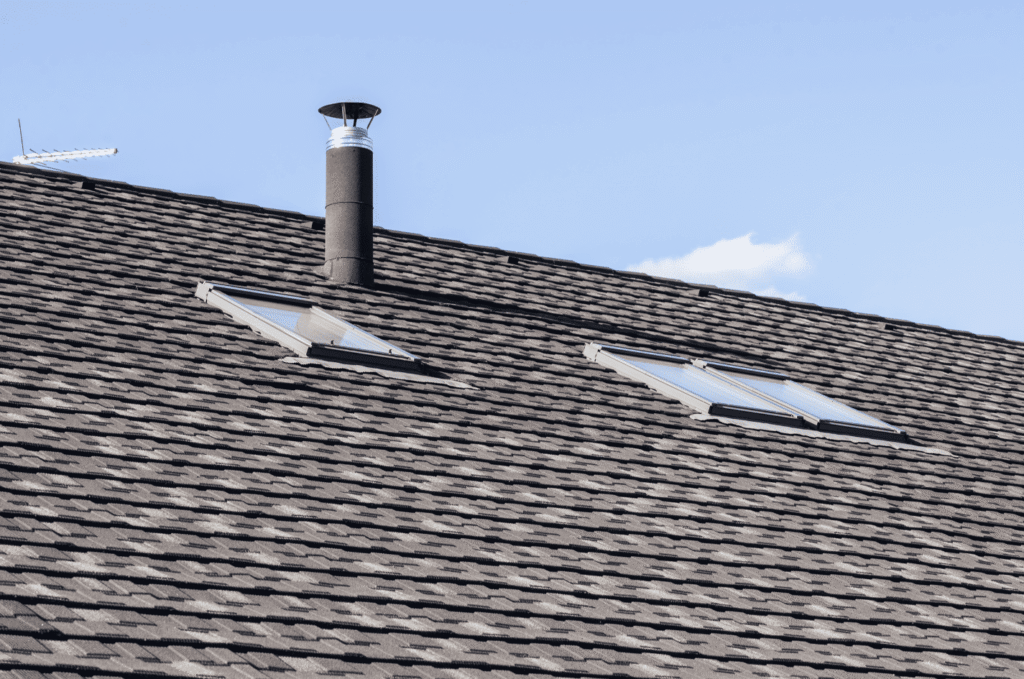
Fixing roof ventilation problems requires a systematic approach: assess the current system, identify specific failures, and implement corrections that match your home’s design and climate needs. At CAN Roof Construction, every project starts with exactly this kind of thorough evaluation.
A triple-decker in Dorchester has different ventilation requirements than a colonial in Cambridge. The right fix always starts with the right diagnosis.
Ventilation Repairs and Upgrades That Work
Effective roof ventilation repair in Boston typically involves clearing or installing soffit vents, adding a continuous ridge vent, removing incompatible ventilation types, and installing insulation baffles to keep airflow channels open. Our roofing services Boston team assesses ventilation as part of every repair and replacement project.
Where deck damage has already occurred, structural repairs come first before any ventilation upgrade can be properly completed.
When to Call a Professional for Roof Ventilation Repair
Some ventilation issues are straightforward. Others involve complex interactions between insulation, airflow, and structural elements that need trained eyes to diagnose correctly. If you’re seeing moisture damage, mold, or recurring ice dams, it’s time to bring in a professional.
A certified inspector will evaluate intake-to-exhaust ratios, check for blockages, and give you a clear action plan. The sooner you act, the less damage your attic and roof deck will sustain going into winter. Contact us today to schedule a free inspection and find out exactly what your home needs.