
Emergency Roof Tarping Services for Fast Storm Protection
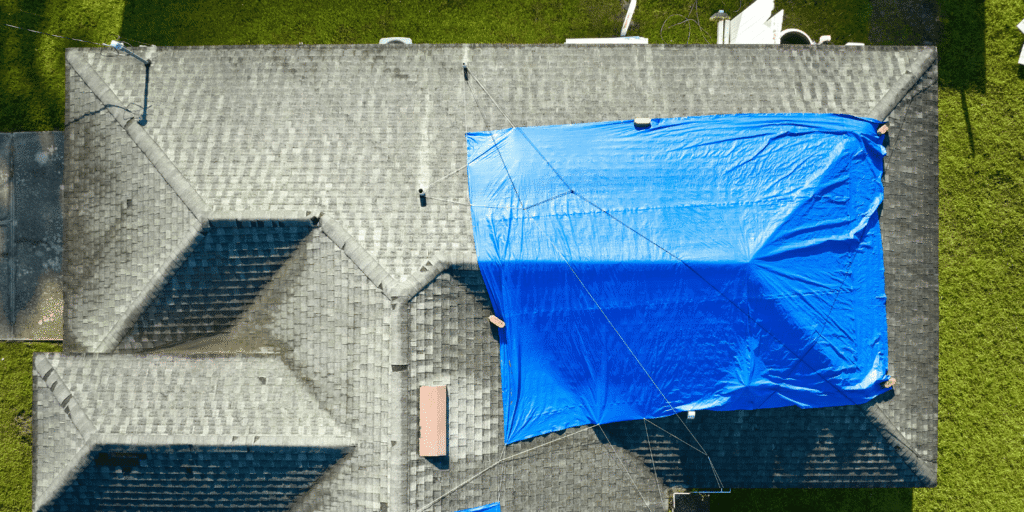
Emergency roof tarping is the fastest way to shield your home from further water damage after a storm strikes. When high winds or falling debris compromise your roof’s integrity, every minute counts. A properly installed roof tarp creates a temporary barrier that keeps moisture out and buys you time to arrange permanent repairs. Whether you are dealing with missing shingles or a fallen tree limb, emergency roof tarping services in Boston can mean the difference between a manageable repair bill and a devastating restoration project.
Table of Contents
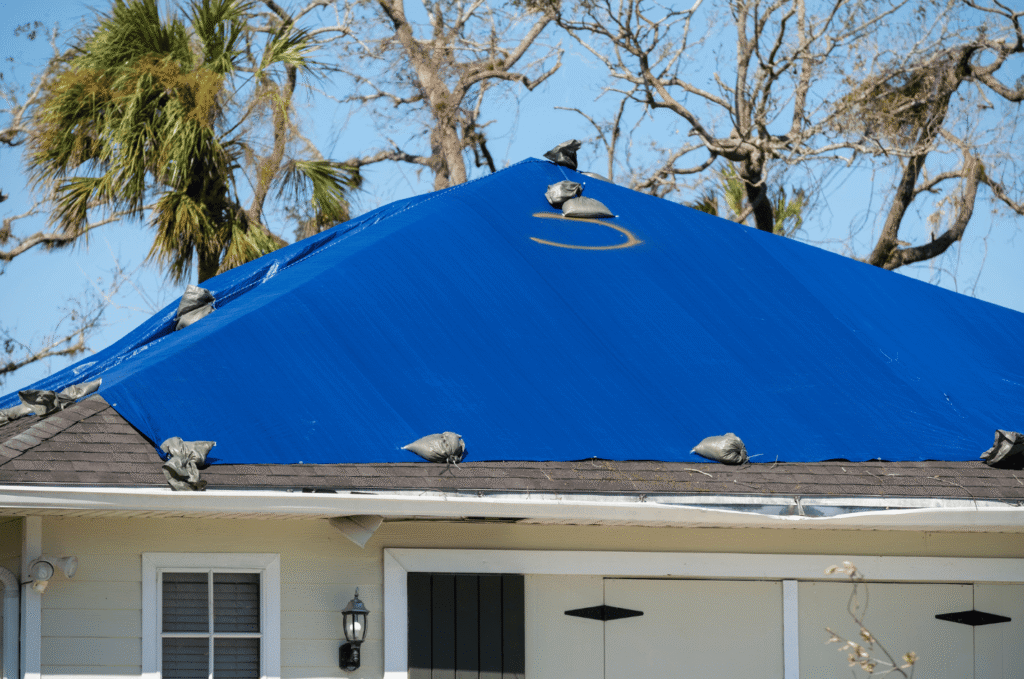
Why Emergency Roof Tarping Matters After Storm Damage
A storm damage roof tarp acts as the first line of defense once your roof has been breached. Even a small opening can allow hundreds of gallons of water into your attic and living spaces within hours. Emergency roof tarping in the Boston area stops that cascade before it starts.
Preventing Secondary Water Damage
Rain that enters through a compromised roof does not just soak your attic insulation, it travels along rafters, seeps into drywall, and pools behind walls where it feeds mold growth. Homeowners who invest in prompt emergency roof tarping significantly reduce the scope of interior repairs needed later. If your roof has suffered storm damage in Quincy or the surrounding neighborhoods, acting quickly with a roof tarp after storm damage is essential to preserving your home’s structural components.
Protecting Your Home’s Structural Integrity
An exposed roof leaves your home vulnerable to additional wind uplift that can peel back even more roofing material. A securely fastened roof tarp prevents wind from getting beneath the remaining shingles and causing further separation. Temporary roof protection also keeps wildlife and debris from entering your attic space, which can create hazards that are expensive to address once permanent roof repair services begin.
Supporting Your Insurance Claim
Most homeowner insurance policies require you to take reasonable steps to mitigate further damage after a covered event. Emergency roof tarping demonstrates that you acted responsibly, which strengthens your claim and prevents adjusters from denying coverage for damage that occurred after the initial storm.
How to Tarp a Damaged Roof Safely
Knowing how to tarp a damaged roof is valuable knowledge, but safety must always come first. Climbing onto a wet, damaged roof during or immediately after a storm carries serious risks including falls and electrocution from downed power lines.
Assessing the Damage First
Before anyone goes onto the roof, a ground-level assessment should identify visible damage, sagging areas, and potential hazards. If you notice hanging branches, exposed wiring, or structurally unsound sections, calling professional emergency roofing services is the safest path forward. Homeowners in Cambridge and surrounding areas should be especially cautious with older homes that may be more vulnerable to collapse under storm stress.
Proper Materials and Technique
A quality roof tarp should be made from heavy-duty polyethylene, at least six mils thick, extending at least four feet beyond the damaged area on all sides. The tarp needs to be secured with two-by-four lumber strips screwed directly into the roof decking, not simply weighted down with bricks that wind can displace. Understanding the 25% rule for roof installation is also helpful when evaluating whether your roof qualifies for a partial repair or needs a full replacement after tarping.
When to Call a Professional
If the damaged area exceeds a few square feet, if the roof pitch is steep, or if there is any risk of structural failure, professional emergency roof tarping services are necessary. Trained crews have the harnesses and experience to work safely on compromised roofing systems. They also know how to secure a roof tarp so it withstands subsequent storms. Homeowners who need a thorough evaluation can schedule a professional roof inspection to determine the full extent of the damage.
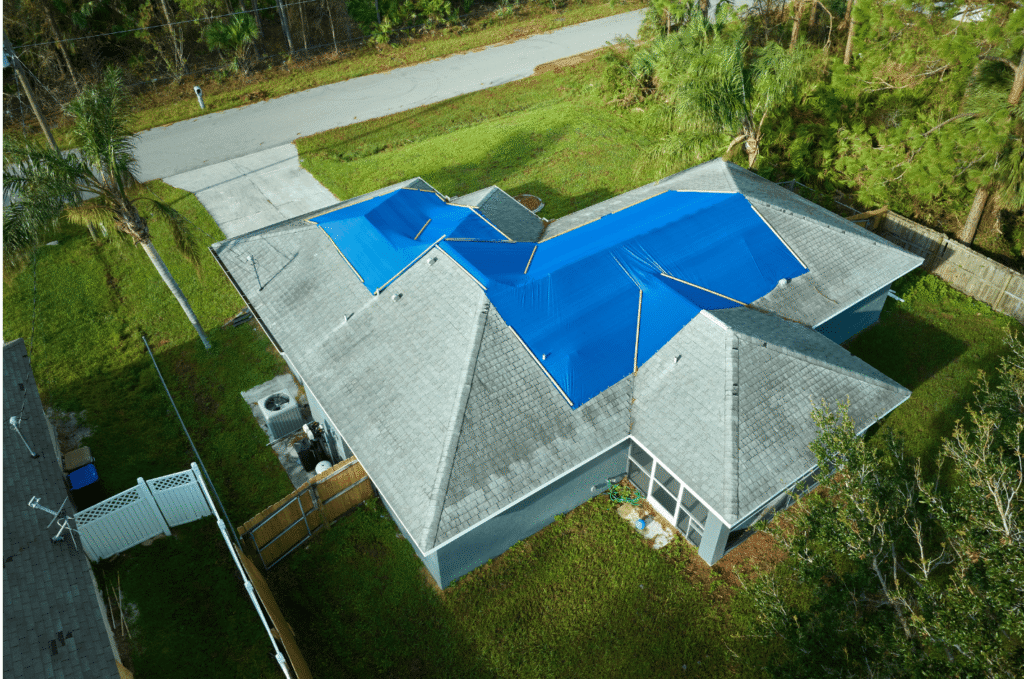
Emergency Roofing Services and What They Include
Emergency roofing services go beyond simply throwing a tarp over a hole. A reputable contractor provides a structured response that addresses both the immediate crisis and the longer-term repair strategy.
Rapid Response and Evaluation
The best emergency roof tarping services offer rapid response times, often arriving within hours of your call. The crew documents the type and extent of damage, identifies safety hazards, and determines the most effective tarping approach. This evaluation includes photographing the damage from multiple angles to support both repair planning and your insurance documentation. Homeowners in Brookline and nearby communities benefit from choosing a local contractor who can respond quickly.
Temporary Roof Protection and Stabilization
Once the evaluation is complete, the crew installs the roof tarp using professional-grade materials and fastening techniques. This temporary roof protection is designed to last for weeks or even months depending on the damage severity. Crews may also secure loose flashing and clear debris from gutters to ensure proper drainage.
Transition to Permanent Repairs
Emergency roof tarping is a bridge solution, not a permanent fix. After the tarp is in place, a qualified contractor should provide a detailed estimate for permanent repair or replacement. Understanding what goes into professional roof installation helps homeowners decide whether to repair or replace after significant damage.
Storm Damage Roof Tarp Best Practices for Boston Homeowners
Boston’s climate presents unique challenges that make storm damage roof tarp preparedness especially important. From coastal Nor’easters to ice dams in winter, local homeowners face weather threats that can compromise any roofing system.
Seasonal Storm Preparedness
The best time to prepare for emergency roof tarping is before you need it. Keeping a heavy-duty tarp, screws, and two-by-four lumber in your garage means you or a contractor can respond faster when damage occurs. Identifying vulnerable areas like worn flashing, cracked shingles, and clogged gutters before storm season arrives can prevent minor weaknesses from turning into major emergencies.
Choosing Materials That Withstand Nor’easters
Standard hardware store tarps often fail within days under sustained wind and rain. For emergency roof tarping that needs to last, look for tarps rated for at least 90 mph wind resistance with reinforced grommets and UV-stabilized material. Homes in coastal areas like Dorchester and East Boston face particularly harsh conditions and benefit from heavier-duty tarping solutions.

Choosing the Right Emergency Roof Tarping Contractor
Selecting the right contractor for emergency roof tarping in Boston can feel overwhelming during the stress of storm damage. Knowing what to look for helps you make a confident decision quickly.
Verifying Credentials and Coverage
Any contractor performing emergency roof tarping should carry both general liability insurance and workers’ compensation coverage. Licensed and certified contractors, particularly those with credentials from GAF and CertainTeed, have demonstrated their commitment to industry standards and ongoing training. At CAN Roof Construction, we bring exactly these certifications and years of experience to every emergency call across the Greater Boston area.
Evaluating Response Time
During major storms, roofing contractors receive an overwhelming volume of calls. The companies that maintain dedicated emergency response crews can reach your home faster than those that treat tarping as a side service. A fast response time is often the single most important factor in minimizing the total cost of storm damage repairs.
Getting a Written Estimate
Even in an emergency, you deserve a clear, written estimate before work begins. A trustworthy contractor will provide a transparent breakdown of costs for the emergency roof tarping service, including materials and labor, along with the recommended scope of permanent repairs.
If your roof has been damaged by a storm and you need fast, reliable temporary roof protection, do not wait for the next rainfall to make things worse. Contact us today to schedule your emergency roof tarping in Boston and take the first step toward restoring your home.