
What Causes Shingles to Fail? Expert Tips for Your Roof
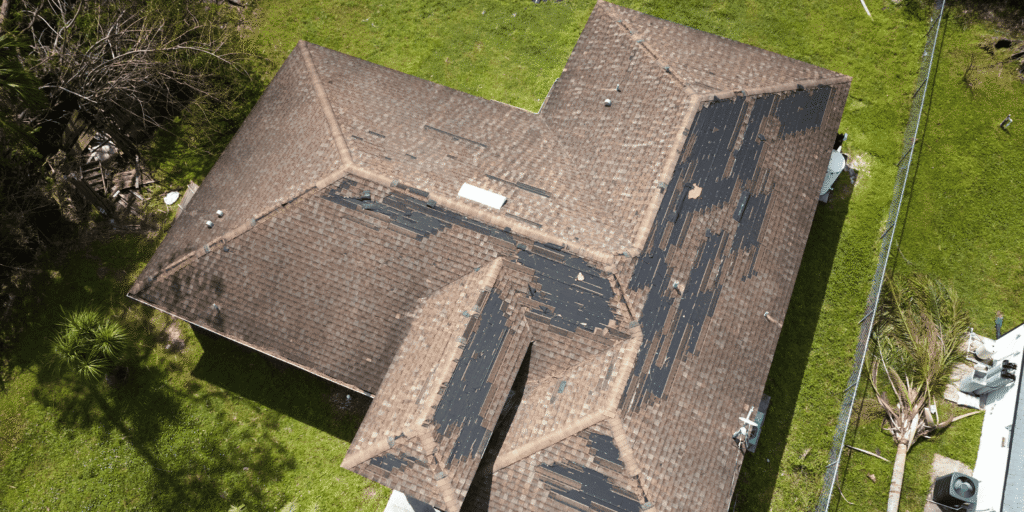
Shingle failure is primarily caused by improper installation, poor attic ventilation, granule loss from UV exposure, and severe weather damage. Whether you have asphalt shingles, architectural shingles, or tile roofing, these issues can shorten your roof’s lifespan dramatically. Whether your roof is five years old or pushing past twenty, understanding what causes shingles to fail can save you thousands in unexpected repairs.
In this guide, we’ll break down the leading causes of shingle failure, show you how to spot the early signs, and share expert roof maintenance tips that keep your home protected year-round.
Table of Contents
Why Improper Shingle Installation Leads to Early Failure
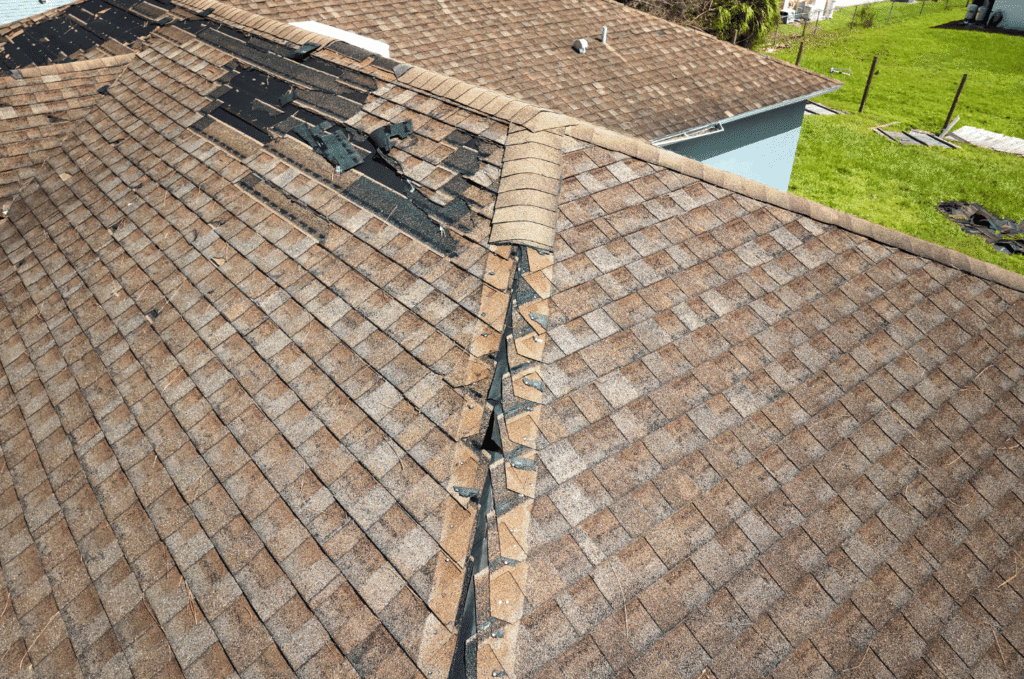
Even the highest-quality shingles won’t perform well if they’re installed incorrectly. Improper shingle installation is the number one reason roofs fail long before their expected lifespan, ranging from minor leaks to complete sections blowing off during a storm.
High Nailing and Misaligned Fasteners
High nailing happens when a roofer places nails too high on the shingle, above the manufacturer’s designated nail line. This means the nail doesn’t secure the overlapping shingle below, leaving it vulnerable to wind uplift. During even moderate storms, high-nailed shingles can peel back and tear away entirely.
Misaligned fasteners create similar problems. Over-driven nails puncture through the shingle mat, while under-driven nails leave the shingle raised and exposed to wind. Both scenarios accelerate shingle failure and invite moisture into the roof deck. Hiring a trusted Boston roof installation team eliminates these risks from the start.
Layering Over Old Shingles
Some contractors install new shingles directly over an existing layer to save time and cost. This is most common with standard three-tab and architectural shingles, though tile and slate roofs face their own layering challenges. While building codes may allow up to two layers, the trapped layer underneath retains heat, baking the new shingles from below and accelerating aging. It also hides underlying deck damage that should be addressed first. A proper Boston roof replacement always involves a full tear-off and deck inspection.
How Roof Ventilation Problems Destroy Shingles From Below
Most homeowners think about their roof from the outside, but what happens inside the attic plays an equally critical role. Roof ventilation problems quietly accelerate asphalt shingle failure from below, often without any visible warning until significant damage has already occurred.
Heat Buildup and Moisture Accumulation
When an attic lacks proper intake and exhaust ventilation, heat gets trapped during summer months. Temperatures in a poorly ventilated attic can exceed 150°F, essentially cooking the shingles from underneath. This dries out the asphalt oils that keep shingles flexible, causing them to become brittle and crack prematurely.
In winter, warm air from the living space rises into the attic and meets the cold roof deck, creating condensation. This moisture promotes mold growth, rots the deck, and weakens the bond between shingle and underlayment. Homeowners using roofing services in Boston are especially vulnerable to this cycle because of the region’s dramatic temperature swings.
Ice Dam Formation
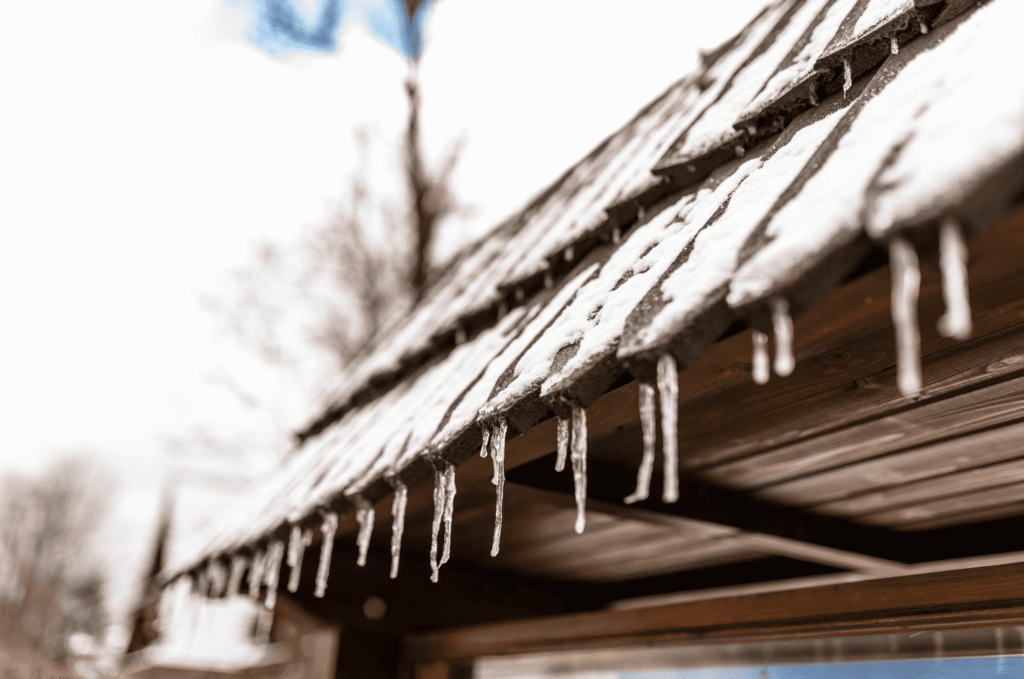
Inadequate ventilation also contributes to ice dams, a major concern in colder climates. When attic heat melts snow on the roof unevenly, water flows down to the colder eaves and refreezes. This ice barrier forces water back under the shingles, causing leaks and interior damage. Proper ventilation keeps the roof surface temperature consistent, preventing ice dams before they start. If you’re already dealing with storm or ice-related damage, an emergency roof repair service can help you act fast.
Roof Shingle Granule Loss and UV Damage
Those tiny colored granules on your shingles aren’t just decorative. They serve as the primary defense against ultraviolet radiation and physical impact. Roof shingle granule loss is one of the clearest indicators that your shingles are nearing the end of their functional life.
What Causes Granules to Fall Off
New shingles naturally shed a small number of loose granules during the first few months after installation, which is normal. However, accelerated granule loss is a different story. Hailstorms physically knock granules loose on impact, while UV radiation and thermal cycling gradually wear away the granule bond over time.
You can spot significant granule loss by checking your gutters and downspouts. If you find piles of gritty, sand-like material after rainstorms, your shingles are losing their protective coating. For aging roofs showing these symptoms, a roof rejuvenation treatment can restore flexibility and extend the shingle’s remaining life.
Exposed Asphalt and Accelerated Aging
Once granules are gone, the asphalt layer beneath is directly exposed to sunlight. UV rays break down the petroleum-based compounds rapidly, causing the shingle to dry out, shrink, and crack. This process feeds on itself: as more asphalt degrades, more granules fall away, exposing even more surface area. What starts as minor weathering can quickly become widespread shingle cracking and curling that requires professional shingle repair.
Weather, Wind, and Shingle Cracking and Curling
Severe weather is something no roof can completely avoid. However, understanding how storms damage shingles helps you prepare and respond before small issues become major structural problems.
Wind Uplift and Seal Failure
Asphalt shingles rely on a thermally activated adhesive strip to bond each row to the one below. Strong winds create negative pressure that lifts shingle edges and breaks this seal. Once broken, even moderate winds can fold, tear, or completely remove the shingle. Edges, ridges, and corners are most vulnerable because wind forces concentrate at these points.
After any major storm, a professional roof inspection can identify lifted or broken seals before they lead to water intrusion.
Thermal Shock and Seasonal Stress
Thermal shock occurs when shingles experience rapid temperature changes, such as a hot afternoon followed by a cool evening rain. The asphalt expands and contracts with each cycle. Over years, this repeated movement weakens the material, creating hairline cracks that grow larger over time. In regions like Greater Boston, where temperatures can swing 40+ degrees in a single day during spring and fall, thermal shock is a significant contributor to shingle failure.
Environmental Factors That Accelerate Shingle Damage
Beyond weather, your immediate surroundings play a role in how quickly your shingles deteriorate. Trees, debris, and biological growth all contribute to premature roof aging.
Overhanging branches scratch and wear down shingle surfaces with every gust of wind. Fallen leaves and pine needles trap moisture on the roof, creating a damp environment where moss and algae thrive. Algae retains moisture against the shingle surface and accelerates granule loss. Moss roots can lift shingle edges, creating gaps for water to enter.
Trimming branches back at least six feet from the roof and scheduling regular debris removal are two of the simplest ways to prevent shingle damage from environmental factors. A seasonal preventative maintenance routine covers all of these concerns and more.
Expert Roof Maintenance Tips to Extend Your Roof’s Life
Preventing shingle failure doesn’t require expensive upgrades. Consistent, proactive care is the most effective strategy. Follow these expert roof maintenance tips to get the maximum lifespan from your shingles.
Schedule Biannual Inspections
Inspect your roof at least twice per year, ideally in spring and fall. Spring inspections reveal winter damage such as cracked shingles and ice dam effects, while fall inspections prepare your roof for the harsh months ahead. If you’re unsure what to look for after winter, our guide on spring roof leak repairs walks you through the process. After any severe storm, an additional check is always recommended.
Maintain Your Gutters and Drainage
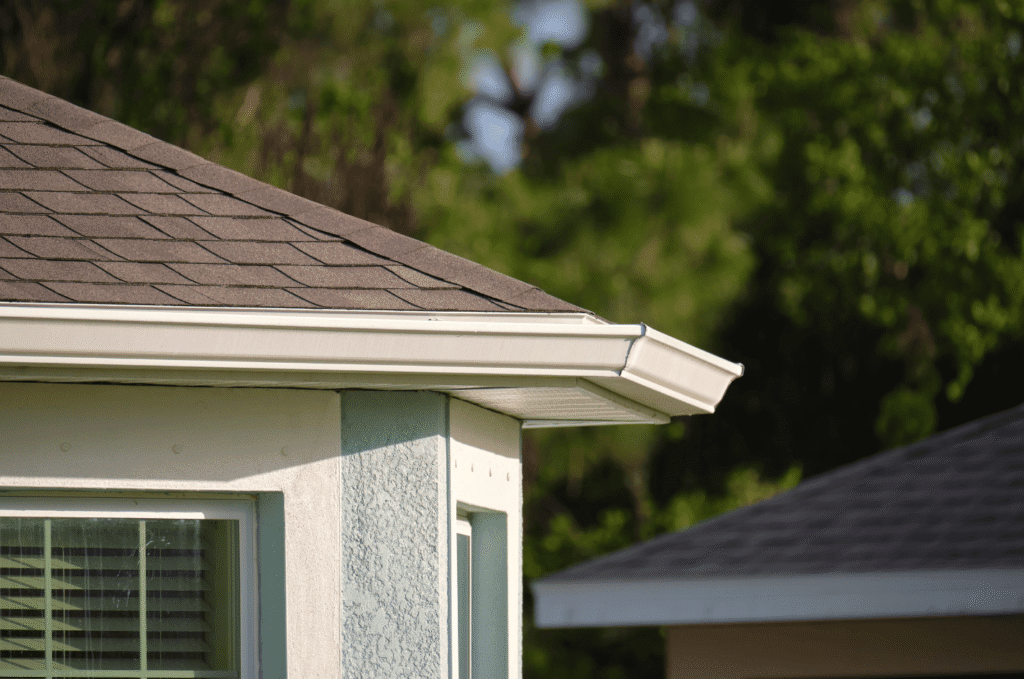
Clogged gutters cause water to pool at the roof edge, seeping under shingles and rotting fascia boards. Clean your gutters at least twice a year and ensure downspouts direct water at least four feet from your foundation. If your gutters are damaged or sagging, address the issue promptly before it impacts the shingles along your roof edge.
Prioritize Attic Ventilation
Make sure your attic has balanced intake vents at the soffits and exhaust vents at the ridge. This airflow regulates temperature and removes excess moisture. If you’re unsure whether your ventilation is adequate, a roofing professional can evaluate your system and recommend improvements.
Choose the Right Contractor
The quality of your roof depends heavily on who installs it. Look for contractors who are licensed, insured, and certified by major manufacturers like GAF or CertainTeed. Proper installation techniques, including correct nail placement, adequate flashing, and appropriate underlayment, prevent the vast majority of premature shingle failure.
Protect Your Roof Before Small Problems Grow
Shingle failure rarely happens overnight. It builds gradually through a combination of installation issues, environmental exposure, and deferred maintenance. The good news is that most causes of shingle failure are preventable with consistent roof maintenance tips like biannual inspections, proper ventilation, and clean gutters.
If you’re noticing signs like granule buildup in your gutters, curling edges, or dark streaks on your roof, don’t wait for a leak to take action. CAN Roof Construction offers free drone roof inspections to Boston-area homeowners, giving you a clear picture of your roof’s condition with no obligation. Schedule your free inspection today and protect your home before minor wear becomes a major expense.