
Common Roof Repairs by Damage Type: What Everyone Should Know
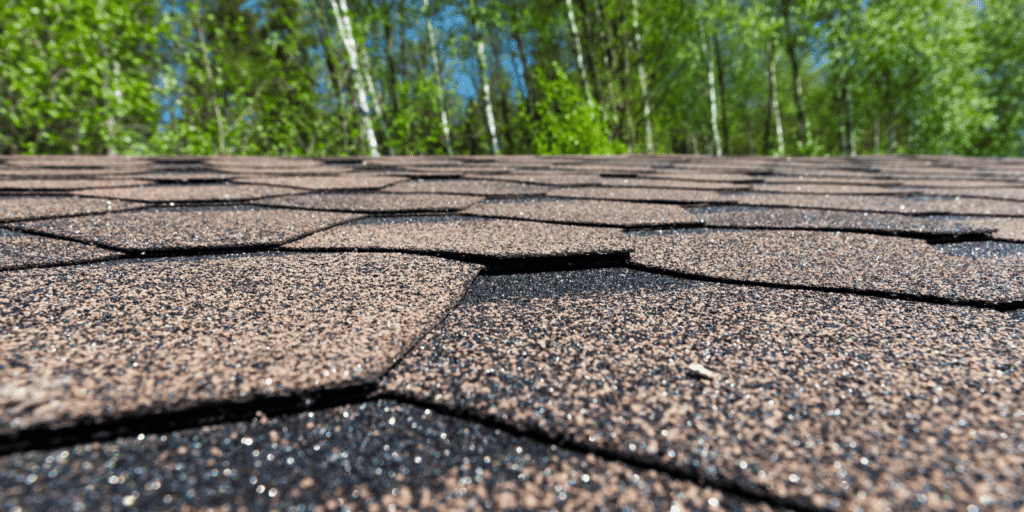
Different types of roof damage require different repair approaches from roof leak repair addressing water infiltration to shingle repair fixing wind damage, flashing repair sealing vulnerable penetrations, and gutter damage corrections restoring proper drainage.
This comprehensive guide covers the most common roof repairs, explains what causes each problem, and helps you understand when roof replacement becomes a better investment than continued repairs.
Table of Contents
Roof Leak Repair: Stopping Water Infiltration
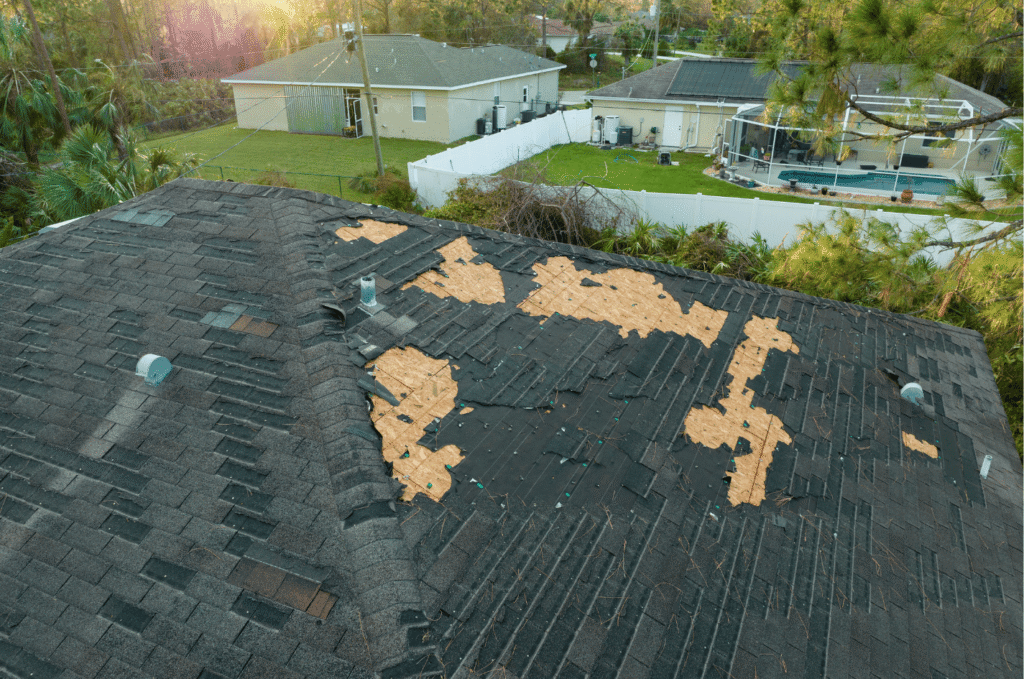
Roof leak repair represents the most urgent type of residential roof repair because water infiltration causes progressive damage to insulation, framing, drywall, and electrical systems.
Common Causes of Leaks
Leaks typically develop from:
- Damaged or deteriorated shingles allowing water penetration
- Failed flashing around chimneys, vents, and skylights
- Ice dam formation forcing water beneath roofing materials
- Clogged gutters causing water backup under roof edges
- Valley damage where roof planes meet and water concentrates
Professional Roof Leak Repair Approaches
Effective emergency roof leak repair begins with accurately locating the leak source which often differs from where water appears inside your home. Water travels along rafters and sheathing before emerging as interior damage. Professional contractors trace leaks upstream to their true entry points, then apply appropriate repairs: patching, sealing, replacing damaged materials, or addressing systemic issues like inadequate flashing.
Shingle Repair: Addressing Missing and Damaged Shingles
Shingle repair addresses one of the most visible and common roof damage types: missing shingles, cracked shingles, curling edges, and granule loss.
Types of Shingle Damage Requiring Repair
Common shingle problems include:
- Missing shingles: Wind, improper installation, or age causes shingles to detach completely
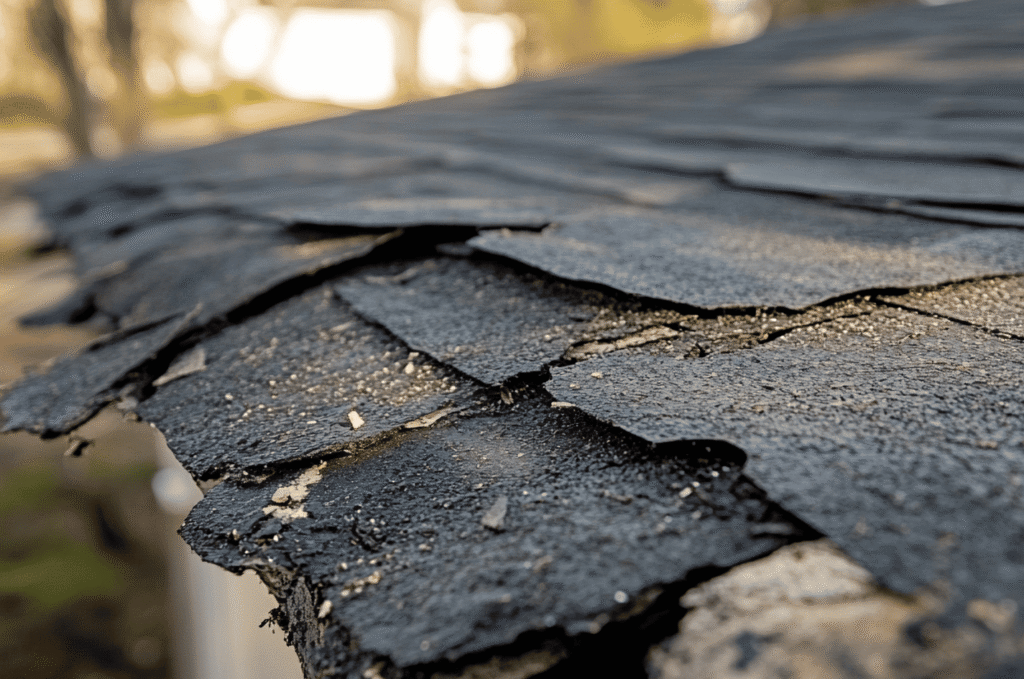
- Cracked or broken shingles: Impact damage, thermal cycling, or brittleness creates fractures
- Curling and cupping: Moisture issues or ventilation problems cause edges to lift
- Granule loss: Weathering strips protective coating, reducing shingle life
- Blistering: Trapped moisture creates bubbles that compromise integrity
Professional Shingle Repair Process
Shingle repair involves removing damaged materials, inspecting underlayment for secondary damage, and installing replacement shingles that match existing materials as closely as possible. For missing shingles, contractors carefully lift surrounding shingles to properly integrate replacements. Matching weathered shingles can prove challenging, professionals source closest-match materials and position replacements in less visible areas when exact matches aren’t available.
Roof repair Beverly properties face North Shore coastal conditions including salt air exposure that accelerates metal corrosion and material degradation. Beverly’s proximity to the ocean means higher wind exposure during nor’easters and coastal storms. Historic neighborhoods feature older roofing systems requiring specialized knowledge.
Flashing Repair: Sealing Vulnerable Roof Areas
Flashing repair addresses flashing issues around roof penetrations: chimneys, vents, skylights, and wall intersections where water infiltration commonly occurs.
Common Flashing Issues
Flashing issues develop when sealants deteriorate, metal corrodes, or materials separate from adjoining surfaces. Chimney flashing frequently fails due to differential movement between masonry and roofing. Skylight flashing deteriorates from UV exposure and thermal cycling. Vent pipe boot flanges crack and leak as rubber ages. These failures allow water entry at some of your roof’s most vulnerable points.
Professional Flashing Repair Approaches
Flashing repair ranges from simple resealing with appropriate caulks and sealants to complete replacement. Minor flashing issues may require only cleaning and resealing existing materials. Severe deterioration or improper original installation often necessitates removing old flashing and installing new step flashing, counter flashing, or continuous flashing with proper overlap and integration with roofing materials.
Gutter Damage: Restoring Proper Drainage
Gutter damage affects roof health by compromising drainage systems that direct water away from roofing materials and your home’s foundation.
How Gutter Damage Affects Your Roof
When gutters fail through clogs, damage, or improper pitch water backs up under roof edges, saturates fascia boards, and promotes ice dam formation in winter. Overflowing gutters splash water against siding and foundation. Sagging or detached gutters pull away from fascia, creating gaps where water infiltrates. Addressing gutter damage protects both your roof and overall home structure.
Gutter Repair Solutions
Gutter damage repairs include cleaning debris accumulation, resealing leaking seams, reattaching loose sections, adjusting pitch for proper flow, replacing damaged sections, and installing gutter guards to prevent future clogs. Severe gutter damage may require complete gutter replacement with properly sized systems matched to your roof’s drainage requirements.
Sagging: Addressing Structural Roof Problems
Sagging represents serious structural damage requiring immediate professional attention, it indicates compromised framing, failed decking, or foundation issues affecting your roof system.
What Causes Roof Sagging
Sagging develops from water damage, rotting structural members, inadequate original framing for roof loads, excessive weight from multiple roofing layers, snow and ice accumulation exceeding design capacity, or foundation settlement affecting overall structure. Unlike surface damage, sagging signals problems extending beyond roofing materials into your home’s structural system.
Repairing Structural Sagging
Sagging repair requires identifying root causes before addressing symptoms. Solutions may include sistering damaged rafters with new lumber, replacing rotted decking sections, installing additional support structures, or addressing foundation issues causing settlement. Severe sagging often necessitates roof replacement combined with structural repairs.
Signs of Inadequate Roof Ventilation
Ventilation problems accelerate roof deterioration and create conditions leading to other damage types including ice dams, moisture accumulation, and premature shingle failure.
Poor ventilation manifests through excessive attic heat in summer, ice dams forming in winter, moisture condensation on attic surfaces, mold growth in attic spaces, curling or premature aging of shingles, and higher energy bills from HVAC systems working harder. These symptoms indicate airflow problems requiring overall roof repair to protect your roof investment.
Ventilation Repair and Improvement
Addressing ventilation problems may involve adding ridge vents, installing soffit vents, clearing blocked vents, adding powered ventilators, or improving attic insulation to work with ventilation systems. Proper ventilation follows the balanced approach, intake vents at soffits and exhaust vents at ridges create continuous airflow that removes heat and moisture while preventing ice dam formation.
When Roof Replacement Becomes the Better Choice
Sometimes continued repairs become counterproductive, and roof installation of new materials provides better value than ongoing fixes.
Signs Roof Replacement Makes More Sense
Consider roof replacement when:
- Damage affects more than 25-30% of roof surface
- Your roof exceeds 20-25 years of age
- Repair costs approach 40-50% of replacement value
- Multiple damage types exist simultaneously
- Previous repairs have failed to resolve problems
- Structural damage requires extensive intervention
Roof Repair Considerations Across Greater Boston
Different communities throughout Greater Boston face varying roof repair challenges based on local conditions, building styles, and environmental factors.
Roof repair Medfield homeowners often deal with damage from the town’s mature tree canopy, falling branches, debris accumulation, and shaded roof areas promoting moss and algae growth. Medfield’s mix of historic homes and newer construction means varied roofing systems requiring different repair approaches.
Roof repair Greater Boston encompasses diverse communities with varying characteristics. Urban Boston neighborhoods feature dense construction with access challenges. Inner suburbs like Brookline, Newton, and Cambridge combine historic properties with modern construction.
Professional contractors serving Greater Boston understand these regional variations and adapt repair approaches to local conditions.
CAN Roof Construction: Your Complete Roof Repair Partner
CAN Roof Construction provides expert repairs for all roof damage types throughout Greater Boston. Our 5-star rated team diagnoses problems accurately and delivers lasting solutions that protect your home.
Schedule Your Free Roof Inspection Today
Don’t let roof damage escalate into costly repairs. Professional inspection identifies all damage types and provides clear recommendations for addressing problems effectively.
Our licensed and insured team provides expert roof repair across all Boston, Medfield, Beverly, Greater Boston homeowners trust.
Contact CAN Roof Construction to schedule your roof inspection.