
When Is a Roof Beyond Repair? Signs Replacement Is Better
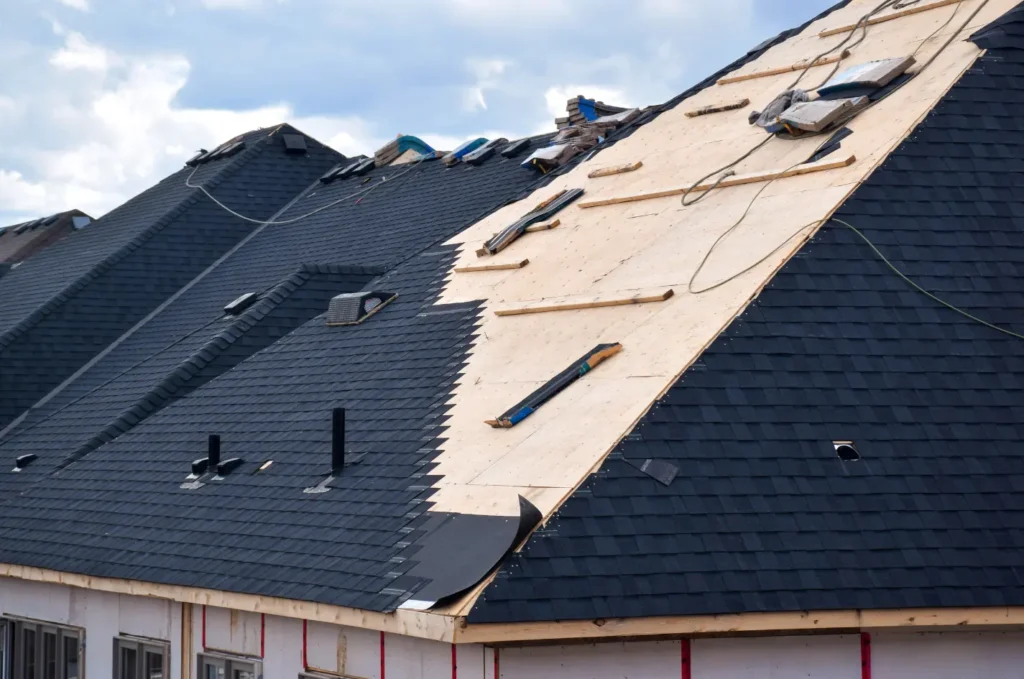
A roof is beyond repair when damage affects more than 25-30% of the roof surface, structural components have deteriorated, repair costs approach 50% of roof replacement value, or the roof has exceeded its expected lifespan at which point investing in new roof installation provides better long-term value than continuing to repair roof problems that will only multiply.
Boston-area homeowners face this decision regularly as harsh winters, coastal weather, and aging housing stock combine to stress roofing systems beyond their limits. Whether you’re dealing with a new roof in Malden, Cambridge, or any Greater Boston community, knowing the signs that indicate roof replacement makes better financial sense than ongoing repairs helps you invest wisely in your home’s future.
Table of Contents
Understanding the 25% Rule in Roofing
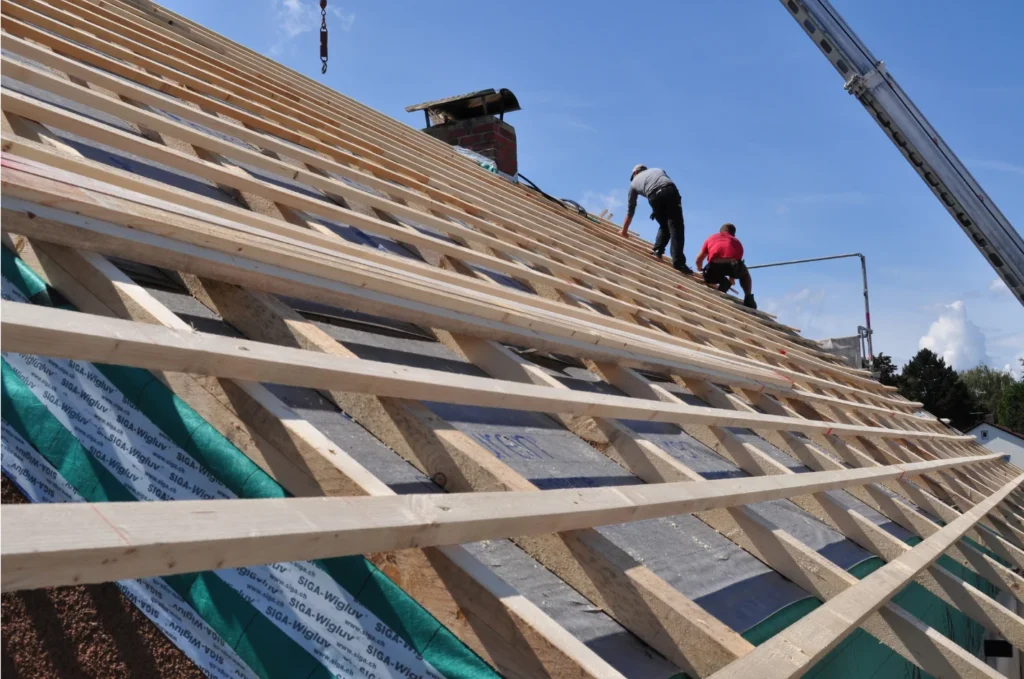
The 25% rule in roofing provides a practical guideline for determining when to repair roof damage versus when to replace a roof entirely. This industry standard helps homeowners and contractors make cost-effective decisions.
What the 25% Rule Means
The 25% rule in roofing states that if damage or deterioration affects more than 25% of your roof’s total surface area, roof replacement typically makes more financial sense than attempting to repair roof sections individually. At this threshold, the cumulative cost of repairs, the likelihood of additional problems developing in untreated areas, and the disruption of multiple repair visits outweigh the investment in complete new roof installation.
How to Apply the 25% Rule
Applying the 25% rule in roofing requires honest assessment of your roof’s overall condition. Consider not just visible damage but also areas showing early deterioration signs, granule loss, curling edges, or aging that will require attention soon. Professional inspection provides accurate damage percentage estimates that help you understand whether you’ve crossed the threshold where continuing to repair roof problems becomes counterproductive.
When Exceptions Apply
The 25% rule serves as a guideline rather than an absolute requirement. Roofs with localized storm damage might warrant repair even at higher percentages if surrounding areas remain sound. Conversely, roofs approaching 20+ years may justify replacement at lower damage percentages since remaining sections will likely fail soon anyway. Your roofing professional in Sharon can help interpret these nuances based on your specific situation.
Critical Signs Your Roof Needs Replacement
Beyond the 25% rule in roofing, specific warning signs indicate when roof replacement becomes necessary regardless of damage percentage.
Structural Damage and Sagging
Visible sagging in your roofline signals structural problems that no amount of surface repair can address. When roof decking, rafters, or trusses have rotted, warped, or weakened, you cannot simply repair roof shingles and expect lasting results. Structural issues require complete tear-off to access and replace damaged framing before new roof installation can proceed safely.
Age Beyond Expected Lifespan
Most asphalt shingle roofs provide 20-30 years of service under normal conditions. Boston’s harsh climate often reduces this to 15-25 years. When your roof exceeds its expected lifespan, individual repairs become increasingly futile, fixing one area simply shifts stress to adjacent sections that fail next.
Multiple Leak Points
A single leak around a chimney or vent often responds well to targeted repair. However, leaks appearing in multiple locations simultaneously indicate systemic failure rather than isolated problems. When water finds multiple entry points, your roof’s waterproofing integrity has broken down comprehensively, a condition that repair roof efforts cannot reverse.
Widespread Shingle Deterioration
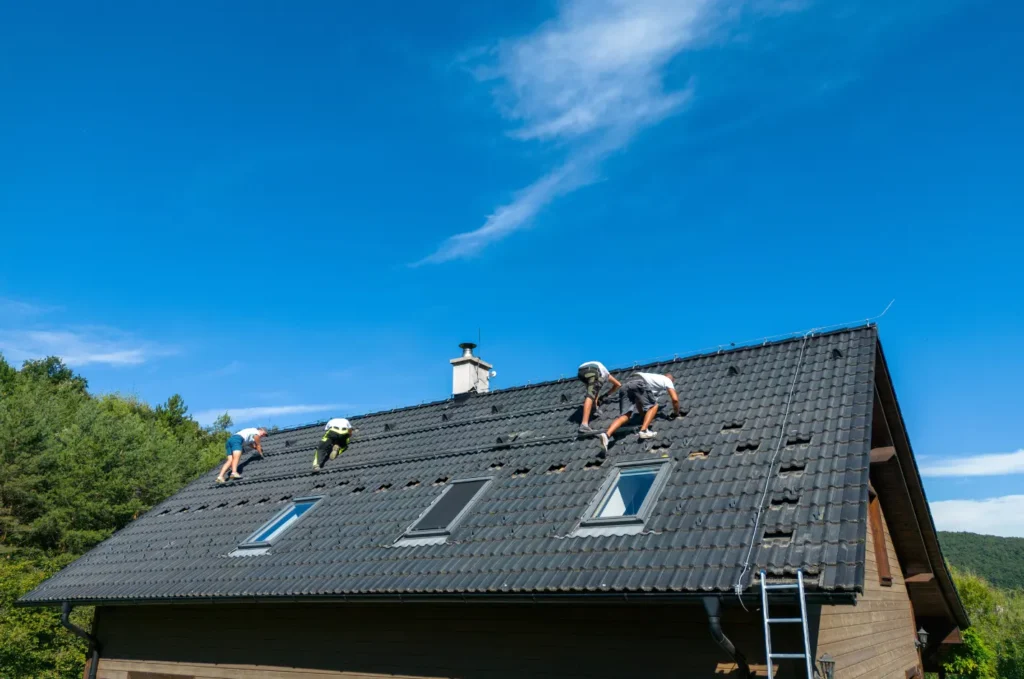
When shingles across your roof show curling, cracking, blistering, or significant granule loss, the entire roofing system has reached end-of-life condition. Replacing individual shingles in this scenario creates a patchwork that looks poor, performs inconsistently, and fails to address underlying deterioration. At this stage, investing in new roof installation provides decades of reliable protection rather than years of escalating repair costs in Pembroke.
Failed Previous Repairs
Repairs that fail repeatedly indicate deeper problems than surface treatments can solve. If you’ve had the same areas repaired multiple times, or if new problems develop shortly after repairs, your roof is communicating that piecemeal approaches no longer work. The roofing job cost of repeated repairs eventually exceeds replacement investment while never providing lasting solutions.
Repair vs. Replacement: Understanding the Real Costs
Making smart financial decisions about your roof requires understanding the full roofing job cost picture for both repair and replacement options.
When Repairs Provide Good Value
Repair roof investments make sense when damage is localized and limited, your roof is less than 15 years old with remaining service life, repair costs stay well below 30-40% of replacement cost, and the rest of your roof remains in good condition. Quality repairs on fundamentally sound roofs can extend service life by 5-10 years at a fraction of replacement cost.
When Replacement Actually Saves Money
Roof replacement in Boston becomes the economical choice when repair costs approach 50% of replacement value, multiple repair visits are anticipated over coming years, energy inefficiency from aging roof materials increases utility costs, and your roof’s age suggests additional failures are imminent. Installing new roof systems eliminates the cycle of escalating repairs while providing modern materials with manufacturer warranties.
What to Expect from New Roof Installation
Understanding the new roof installation process helps homeowners prepare for this significant home improvement project.
Initial Inspection and Assessment
Professional new roof installation begins with comprehensive inspection that evaluates not just shingle condition but also decking integrity, ventilation adequacy, flashing condition, and structural soundness. This assessment determines the full scope of work needed and identifies any underlying issues that must be addressed during installation.
Material Selection and Options
When you install new roof systems, material selection significantly impacts both cost and longevity. Architectural asphalt shingles offer excellent value with 25-30 year warranties. Premium designer shingles provide enhanced aesthetics and durability. Metal, slate, and synthetic options offer even longer lifespans for homeowners seeking maximum longevity. Your contractor helps match materials to your budget, aesthetic preferences, and performance requirements.
Installation Timeline and Process
Most residential roof replacements complete within 1-3 days depending on roof size, complexity, and weather conditions. The process includes removing existing materials, inspecting and repairing decking as needed, installing underlayment and ice barriers, applying new shingles, and finishing with flashing, vents, and trim details. Professional crews minimize disruption while maintaining quality standards throughout.
Boston-Specific Roof Replacement Considerations
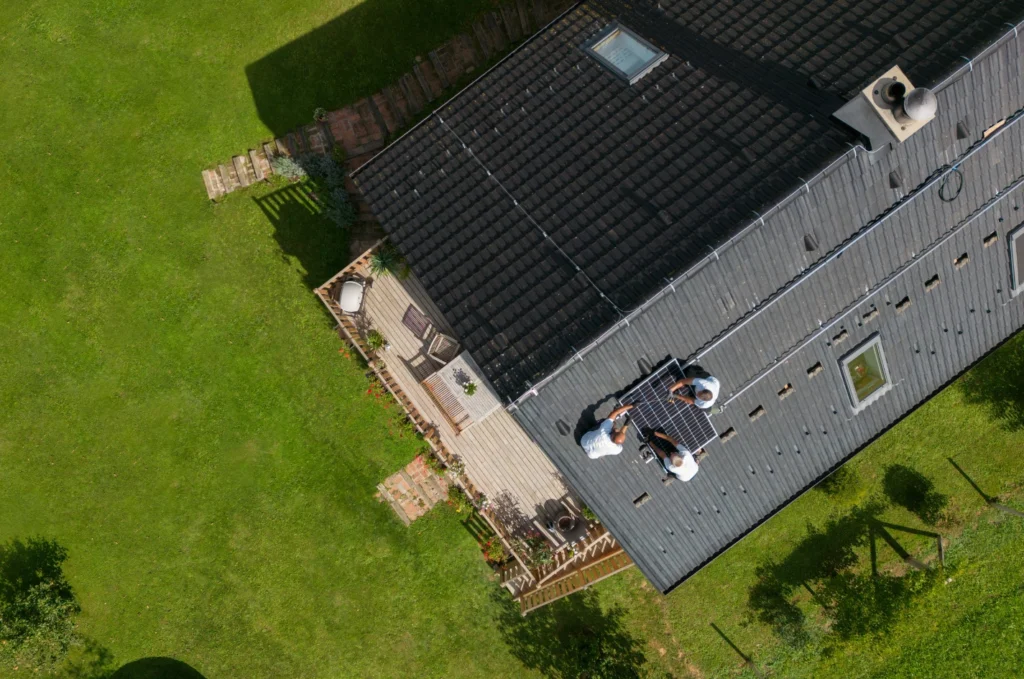
Greater Boston’s unique climate and housing characteristics influence when roofs reach beyond-repair status and what replacement decisions make sense.
How Boston Weather Accelerates Roof Aging
Boston’s freeze-thaw cycles, nor’easters, ice dams, and humid summers combine to stress roofs more severely than many other regions. These conditions often push roofs past the repair threshold faster than homeowners expect. A new roof in Malden or any Boston-area community must be designed to withstand these demanding conditions, making proper installation and quality materials especially important.
Neighborhood and Property Factors
Many Boston neighborhoods, including Malden, Cambridge, Somerville, Brookline, Newton, Quincy, and surrounding communities feature older homes with roofs approaching or exceeding their service life. Tree-covered lots create shaded conditions that promote moss and algae growth. Coastal proximity adds salt air exposure that accelerates material degradation. These factors often tip repair-versus-replace decisions toward replacement sooner than national averages suggest.
Best Timing for Roof Replacement
Late spring through early fall offers optimal conditions to replace a roof in Boston, with mild temperatures ensuring proper shingle sealing and reduced weather delays. However, emergency replacements can proceed year-round when necessary. If your roof shows signs of being beyond repair, don’t delay assessment, waiting until winter can turn manageable situations into emergencies.
Trust CAN Roof Construction for Expert Roof Assessment
CAN Roof Construction provides comprehensive roof inspection, repair, and replacement services throughout the Greater Boston and Metro West region. Our 5-star rated team helps homeowners determine whether to repair roof damage or invest in new roof installation, providing honest assessments and quality workmanship on every project.
Schedule Your FREE Roof Inspection Today
Determining whether your roof is beyond repair requires professional assessment that considers all relevant factors, damage extent, roof age, structural condition, and cost comparisons. Our free drone inspection provides the information you need to make confident decisions about your home’s protection.