
5 Important Signs of a Failing Roof You Should Worry About
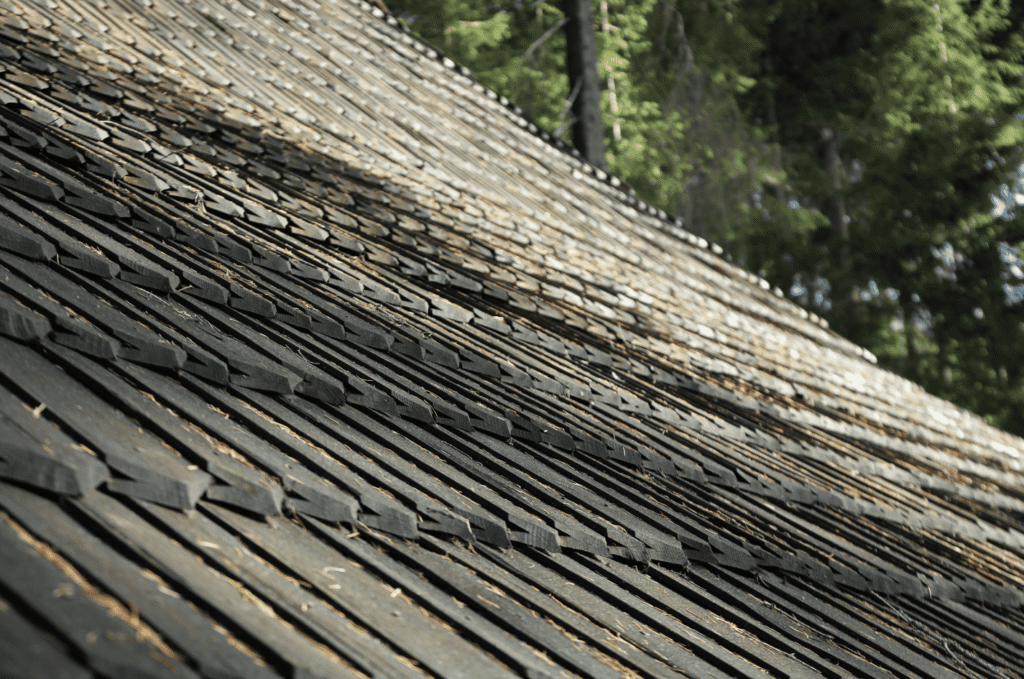
The most critical signs of a bad roof include visible sagging in the roof structure, daylight visible through attic boards, mold or mildew growth in your attic or on ceilings, widespread shingle damage, and persistent water stains, any of which indicate your roof may be approaching failure and requires immediate professional evaluation. Recognizing these roof failure signs early can mean the difference between manageable repairs and complete roof replacement.
Boston homeowners face unique challenges that accelerate roof damage, from harsh nor’easters to freeze-thaw cycles that exploit every weakness in roofing systems. Understanding the 5 signs you need a new roof helps you take action before a bad roof becomes a costly emergency.
Table of Contents
Sign 1: Sagging in a Roof – The Most Serious Warning
Sagging in a roof represents the most alarming of all roof failure signs because it indicates structural compromise that poses immediate safety risks. When you notice dips, waves, or drooping areas in your roofline, your roof is telling you something has gone seriously wrong beneath the surface.
What Causes Roof Sagging
Several factors contribute to sagging in a roof. Prolonged water damage rots roof decking and rafters, weakening their ability to support roofing materials. Excessive weight from multiple shingle layers, improper framing during original construction, or inadequate support structures all lead to gradual sagging. In Boston, heavy snow accumulation during severe winters adds tremendous weight that can accelerate structural failure in already-compromised roofs.
How to Identify Roof Sagging
Stand across the street from your home and look at your roofline. A healthy roof maintains straight, level lines from end to end. Any visible dips, curves, or areas that appear to bow downward indicate structural problems requiring immediate attention. From inside your attic, look for rafters or decking that bend or bow, these are signs of a bad roof that may be approaching failure.
Immediate Action Required
If you notice sagging, contact a Framingham professional roofer immediately. Sagging rarely improves on its own and typically worsens over time. In severe cases, a sagging roof can collapse, creating dangerous conditions for occupants. Professional inspection determines whether structural repairs can fix a roof or whether complete roof replacement becomes necessary.
Sign 2: Light Coming Through Attic Boards
Seeing daylight through your roof boards when standing in your attic signals significant roof damage that demands attention. If light can penetrate your roof, so can water, cold air, and pests, making this one of the clearest signs of a bad roof.
What Light Penetration Indicates
Visible light through roof boards indicates holes, gaps, or deteriorated areas in your roofing system. This roof damage may result from missing or damaged shingles, deteriorated flashing, rotted decking, or storm damage roof incidents that created openings. Even small points of light suggest compromised waterproofing that will worsen with each rain or snowfall.
How to Check for Light Penetration
On a sunny day, turn off all attic lights and allow your eyes to adjust to the darkness. Look carefully at the underside of your roof decking for any points of light. Pay special attention to areas around vents, chimneys, and roof valleys where penetrations create natural weak points. Even pinpoints of light indicate areas where your roof’s protective barrier has failed.
When Light Means Roof Replacement
Isolated light points around penetrations may indicate repairable flashing issues. However, multiple areas of light penetration or light visible across broad sections of decking typically signals extensive damage. When deciding when to replace roof systems, widespread light penetration usually indicates that repair costs approach or exceed replacement value, making a new roof the smarter investment.
Sign 3: Mold and Mildew Growth
Mold or mildew appearing in your attic in Peabody, on ceiling surfaces, or along exterior walls often traces back to roof failure that allows moisture infiltration. Beyond indicating a bad roof, mold growth creates health hazards that make addressing the underlying roof damage urgent.
How Roof Problems Cause Mold
When roofs leak, water enters attic spaces where it saturates insulation, soaks into wood framing, and creates the damp conditions mold requires to flourish. Even slow leaks that never create visible water stains can introduce enough moisture to support mold growth. Poor attic ventilation compounds the problem by trapping humid air that condenses on cooler surfaces.
Identifying Mold Warning Signs
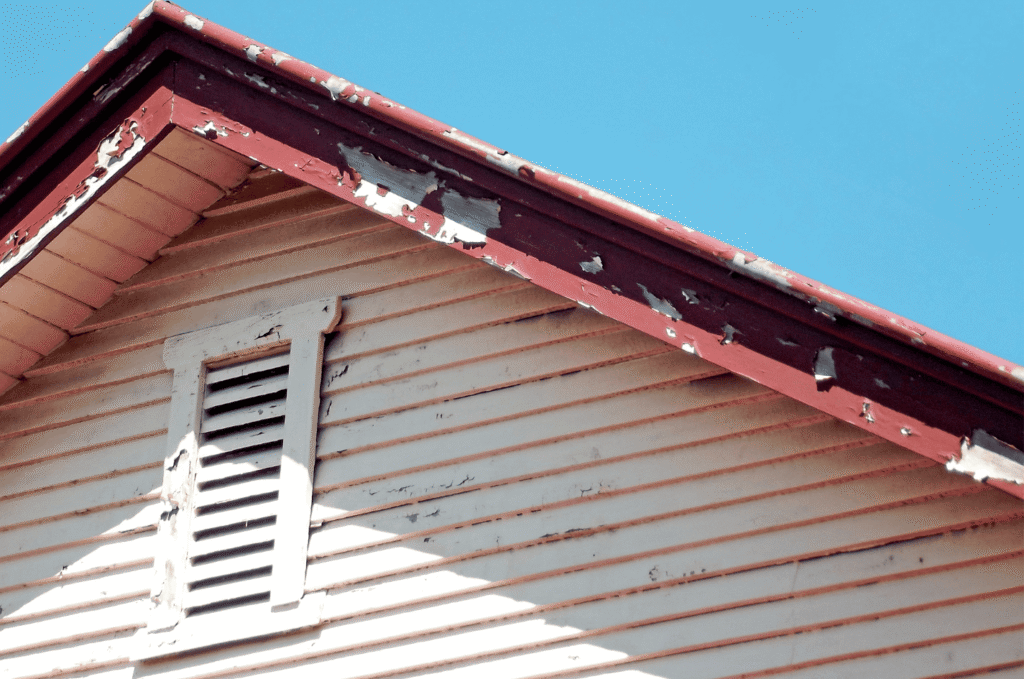
Watch for musty odors in upper floors or attic spaces, visible black or green spots on attic surfaces, discoloration on ceilings or walls below the attic, and peeling paint or wallpaper in upper-story rooms. Any of these signs warrant immediate roof inspection to identify the moisture source before mold spreads further.
Health and Home Impact
Mold exposure causes respiratory problems, allergic reactions, and can exacerbate asthma symptoms. Beyond health concerns, mold damages wood framing, reduces insulation effectiveness, and decreases property value. Addressing the roof failure that causes mold growth protects both your family’s health and your home’s structural integrity.
Sign 4: Widespread Shingle Damage and Deterioration
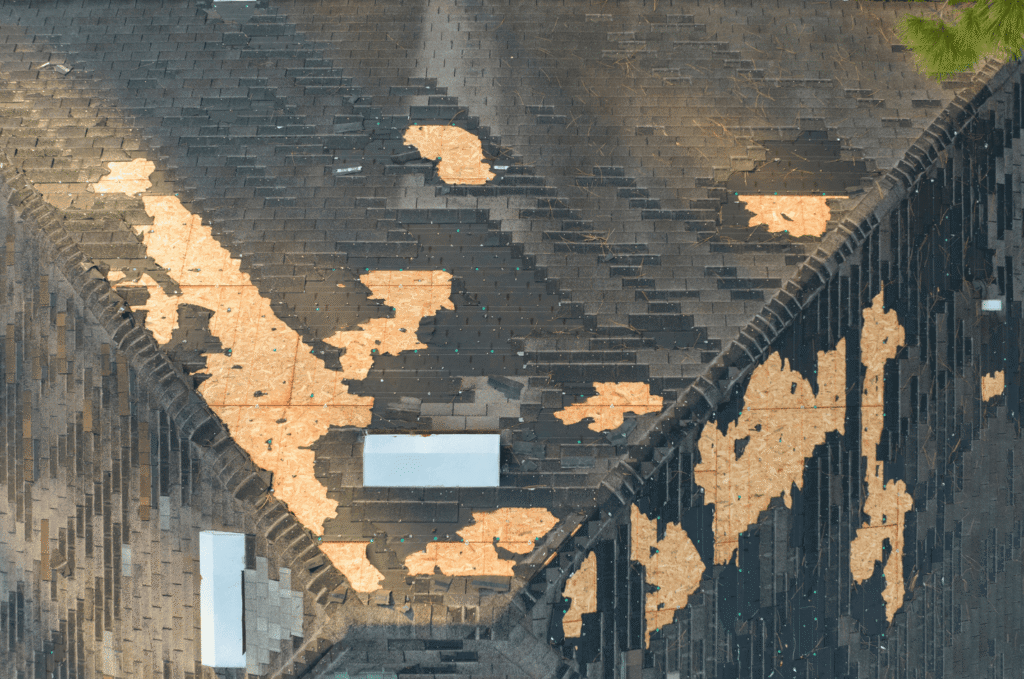
When shingle damage extends beyond isolated areas to affect large portions of your roof, you’re looking at clear roof failure signs that indicate when to replace roof systems rather than continuing repairs. Understanding what widespread damage looks like helps you recognize pictures of roofs that need to be replaced.
Types of Shingle Damage to Watch For
Critical shingle damage indicators include:
- Curling or cupping: Shingle edges turn upward or centers push down, exposing underlayment
- Cracking and splitting: Visible fractures across shingle surfaces indicate material breakdown
- Missing granules: Bald spots or excessive granules in gutters signal advanced deterioration
- Missing shingles: Storm damage roof incidents or wind uplift leave exposed areas
- Blistering: Bubbles or raised areas indicate trapped moisture or manufacturing defects
Metal Roof Failure Signs and Steel Roof Failure Signs
Metal roof failure signs differ from asphalt shingle damage in Woburn. Watch for rust or corrosion spreading across panels, loose or lifted seams, fasteners backing out or creating visible holes, and panels separating from each other. Steel roof failure signs often include similar corrosion patterns plus warping or oil-canning that indicates structural stress. These issues typically require professional assessment to determine repair feasibility.
Signs of Bad Roof Installation
Sometimes widespread damage results from bad roof installation rather than age or weather. Indicators of poor installation include uneven shingle lines, exposed nails, improperly overlapped shingles, missing drip edge, and flashing that doesn’t integrate properly with surrounding materials. Bad roof installation often causes premature roof fail situations that require complete replacement to correct.
Sign 5: Water Stains and Persistent Leaks
Water stains on ceilings or walls provide visible evidence of roof damage that’s already allowing moisture into your home. While a single leak might indicate a repairable problem, persistent or spreading water stains suggest more extensive roof failure requiring comprehensive solutions.
What Water Stains Tell You
Fresh water stains appear darker and may feel damp to the touch. Older stains show yellowish-brown discoloration with defined edges. Multiple stains in different locations suggest several leak points rather than a single problem. Stains that grow larger after each rain indicate active leaks that worsen with continued exposure.
When Leaks Indicate Need for New Roof
Single leaks around penetrations often respond well to targeted repairs. However, leaks appearing in multiple locations, leaks that return after repairs, or leaks combined with other signs of a bad roof typically indicate that roof replacement offers the only lasting solution. When calculating costs, remember that repeated repairs on a failing roof often exceed the investment in a new roof that provides decades of reliable protection.
Boston’s climate accelerates roof deterioration in ways that homeowners must understand to protect their investments.
How Boston Weather Causes Roof Failure
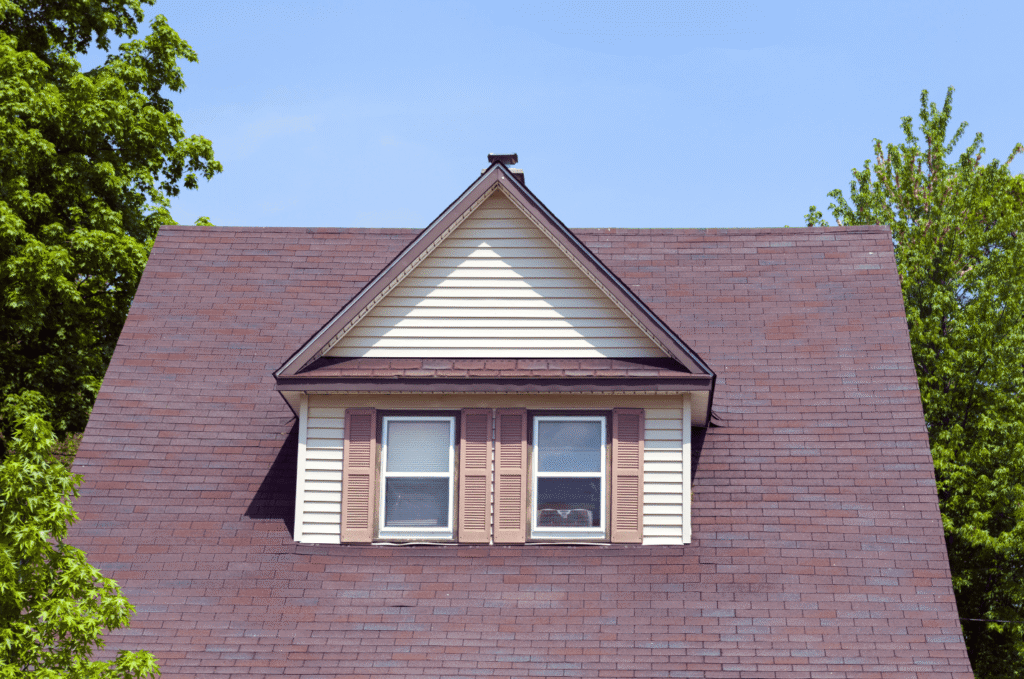
Nor’easters deliver high winds that tear shingles and drive rain beneath roofing materials. Heavy snow loads stress roof structures, particularly on older homes not built to modern codes. Freeze-thaw cycles, common from November through April, cause ice to expand in small gaps, forcing openings wider with each cycle. Storm damage roof incidents during severe weather often reveal underlying weaknesses that accelerate existing deterioration.
Neighborhood and Home Age Factors
Many Boston neighborhoods feature homes built decades ago with roofing systems approaching or exceeding their expected lifespan. Historic districts in Cambridge, Brookline, and Newton contain homes with original or aging roofs that show multiple signs of a bad roof. Coastal communities face additional challenges from salt air that accelerates corrosion on metal roof failure signs and degrades roofing materials faster than inland areas.
Trust CAN Roof Construction for Expert Roof Assessment
CAN Roof Construction provides comprehensive roof inspection and replacement services throughout the Greater Boston and Metro West region. Our 5-star rated team identifies roof failure signs accurately, providing honest assessments that help you make informed decisions about repair versus replacement.
Recognizing the 5 signs you need a new roof empowers you to take action before minor problems become major emergencies. Whether you’ve noticed sagging, light penetration, mold growth, shingle damage, or water stains, professional inspection provides the clarity you need to make confident decisions.