
How to Identify Minor Roof Damage in Cambridge? Repair Tips
Your roof silently protects your home 24/7, shielding you from rain, snow, wind, and sun. But what happens when small problems develop? Most homeowners don’t realize they have minor roof damage until it escalates into costly repairs or emergency situations.
Learning how to identify roof damage in its earliest stages can save you thousands of dollars and prevent the headaches associated with water infiltration, mold growth, and structural deterioration. In Cambridge and throughout the Boston area, homes face unique challenges from harsh weather. The freeze-thaw cycles, heavy snow loads, and occasional severe storms create conditions where minor roof damage can develop quickly.
Table of Contents
What Is Minor Roof Damage
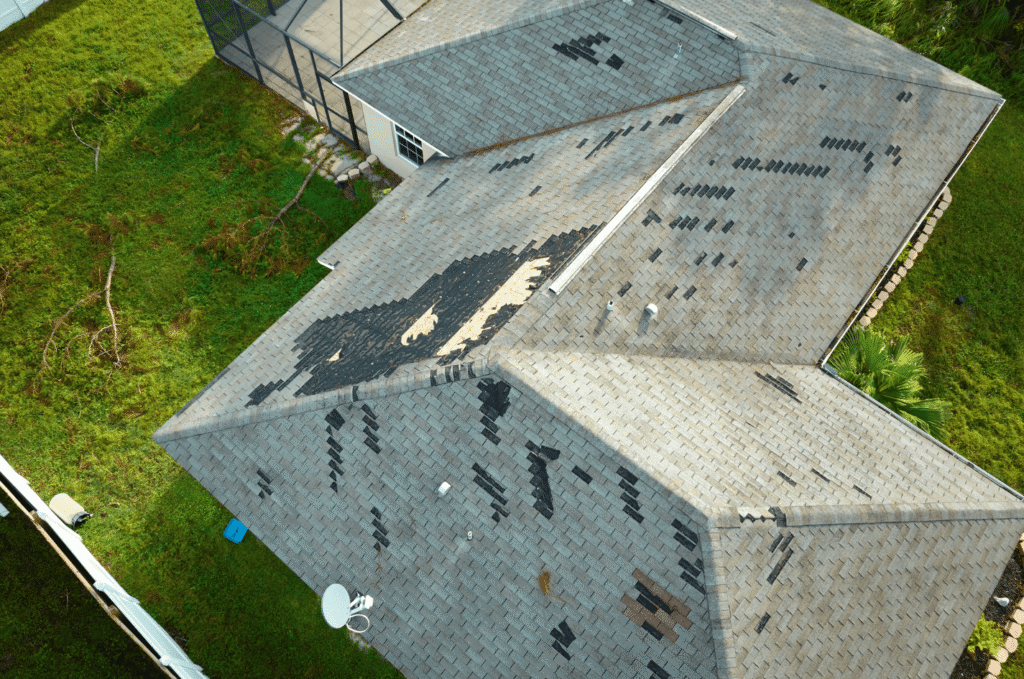
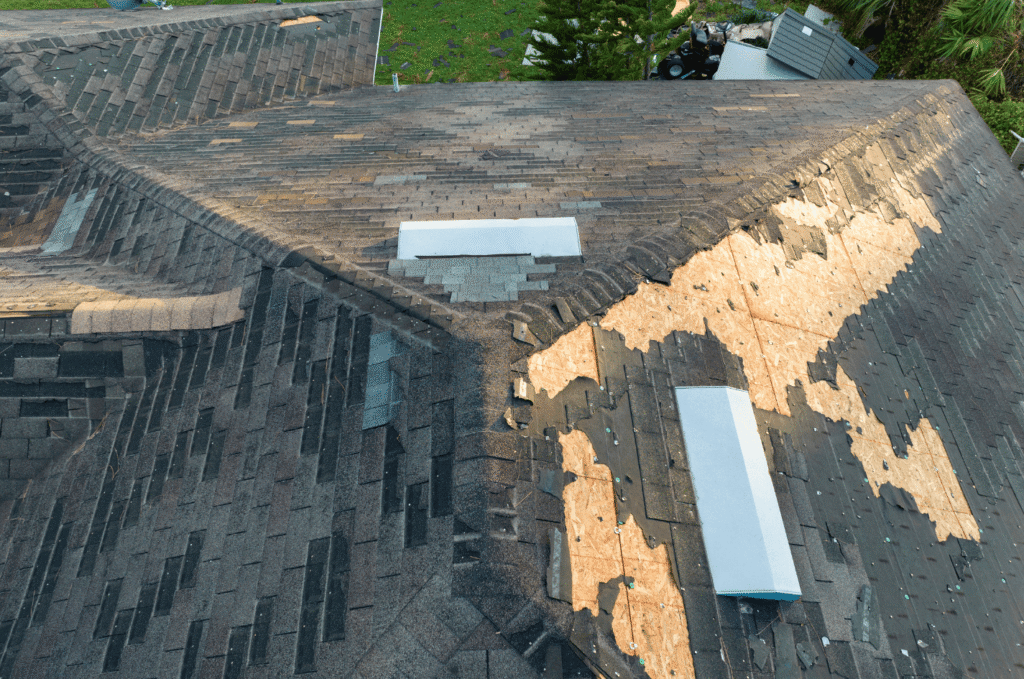
Minor roof damage encompasses issues that haven’t yet caused leaks or structural problems but will inevitably lead to bigger concerns if left unaddressed. These early-stage problems might include a few missing shingles, small cracks in flashing, minor granule loss, or early signs of seal failure. While these issues might seem insignificant, they represent vulnerabilities in your roof’s protective barrier.
The challenge with minor roof damage is that it’s often invisible from ground level. A homeowner might look up and see what appears to be a perfectly fine roof while missing the subtle signs that a professional would immediately recognize. This is why systematic inspection and knowing what warning signs to watch for makes such a tremendous difference in roof longevity.
Different types of roof damage in Cambridge require different urgency levels. Some minor issues can wait for your next scheduled maintenance, while others demand immediate attention to prevent rapid deterioration. Understanding these distinctions helps you prioritize repairs and budget accordingly.
Common Types of Roof Damage to Watch For
Shingle damage represents the most common form of minor roof damage homeowners encounter. Individual shingles can crack, curl, or go missing entirely, especially after wind events. Brockton households with older roofs often show shingle deterioration where the protective granules have worn away, exposing the underlying asphalt to UV damage and accelerating aging.
Granule loss appears as dark or inconsistent patches on your roof where the protective coating has washed or worn away. You might notice granules accumulating in gutters or at the base of downspouts, a telltale sign that your shingles are nearing the end of their service life. While some granule loss is normal as roofs age, excessive or rapid loss indicates a problem requiring roof repair.
Seal failures between shingles occur when the adhesive strips that hold shingles in place deteriorate. You might notice lifted or loose shingle edges, particularly after windy days. These minor roof damage instances create openings for water infiltration and make shingles vulnerable to wind removal during the next storm.
How to Identify Roof Damage from the Ground
You don’t need to climb onto your roof to perform basic damage assessment. Start your inspection from the ground using binoculars to examine your roof safely. Look for obvious signs like missing or damaged shingles, sagging areas, or debris accumulation in valleys. Dark streaks or discoloration might indicate algae growth or water damage developing beneath the surface.
Check your gutters and downspouts for excessive granule accumulation, which signals shingle deterioration. During or after rainfall, watch how water flows off your roof. Improper drainage, standing water, or unusual flow patterns suggest underlying problems with roof slope, damaged shingles, or clogged drainage systems.
Examine your home’s interior ceilings and attic spaces for water stains, dark spots, or signs of moisture. These interior indicators often reveal minor roof damage before it’s visible from outside. Check after heavy rains or snow melt when active leaks are most likely to manifest.
Recognizing Wind Damage to Roof Systems
Wind damage to roof systems presents unique identification challenges because it’s not always immediately obvious. High winds can lift shingle edges without removing them entirely, breaking the seal and creating vulnerability to future damage.
Horizontal lines across your roof where shingles appear slightly lifted or misaligned often indicate wind damage. Strong winds can also tear off or damage ridge caps. The shingles that run along your roof’s peak are creating openings for water infiltration at one of your roof’s most vulnerable locations.
Don’t assume that because shingles are still in place, no damage occurred. Wind can compromise shingle integrity without visible removal. Creased or bent shingles have been stressed and will fail prematurely even if they survived the initial wind event. These represent exactly the kind of damage that benefits enormously from early roof repair.
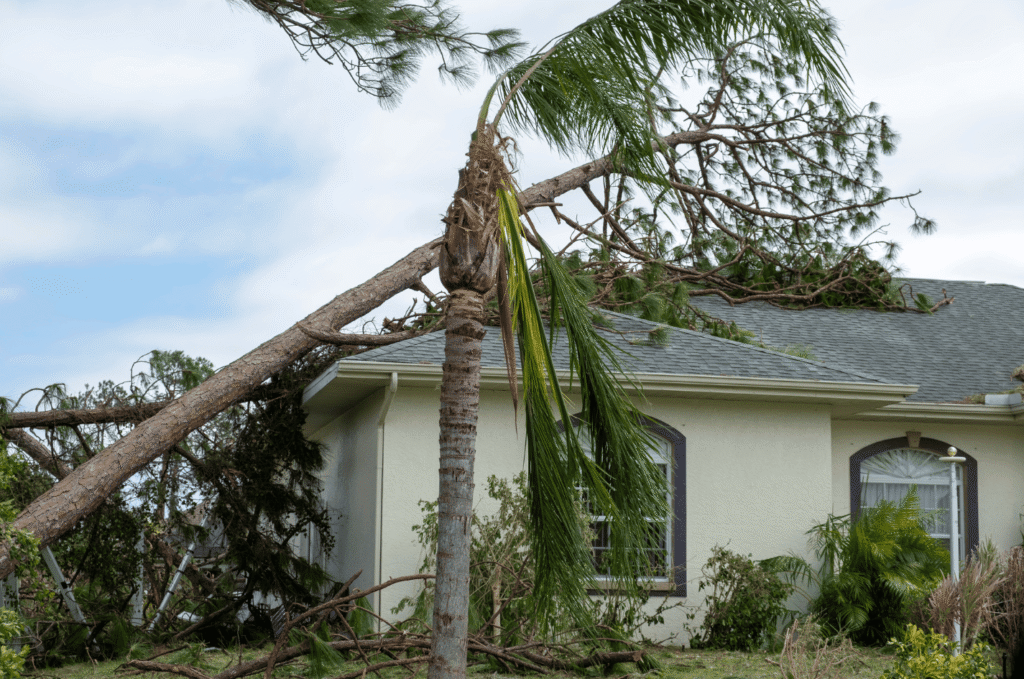
Check trees and landscaping around your home after windstorms. Fallen branches or debris impacts can crack shingles or damage flashing even if the debris has already been cleared away. The impact damage might not create immediate leaks but represents a weak point in your roof’s protection.
Seasonal Inspection Guidelines
Different seasons reveal different types of roof damage, making year-round vigilance important for Cambridge homeowners. Spring inspections should focus on winter damage: look for ice dam damage, shingles damaged by freeze-thaw cycles, and any deterioration from snow loads. Spring also offers ideal conditions for identifying roof damage before summer storms arrive.
Fall roof inspections prepare your home for winter while conditions still permit safe access and repairs. Check for summer heat damage, examine flashing and sealants that might have deteriorated in UV exposure, and ensure all minor roof repair tasks are completed before cold weather arrives. Clean gutters and check that drainage systems function properly to prevent ice dam formation.
Don’t wait for your regular inspection schedule when you know your roof has been tested by extreme conditions. Timely roof damage repair prevents minor issues from becoming major problems during the next weather event.
When Minor Damage Requires Immediate Roof Repair
Not all damage demands emergency response, but certain situations warrant immediate attention. Active leaks, even small ones, should be addressed immediately to prevent water damage to insulation, ceilings, and structural elements. The cost of water damage remediation quickly exceeds the cost of roof repair when leaks are allowed to continue.
Missing shingles require prompt replacement, especially if they expose underlayment to weather. Underlayment provides temporary protection but isn’t designed for prolonged exposure. A few missing shingles represent a simple roof repair that prevents much more extensive damage if completed quickly.
Damaged flashing around chimneys or roof penetrations deserves immediate attention even when no active leak is visible. These vulnerable areas can deteriorate rapidly once the protective seal is compromised. The modest cost of reflashing now prevents costly interior repairs later.
Prevention Strategies to Minimize Future Damage
Regular maintenance represents your best defense, keep gutters clean, trim overhanging branches, and ensure adequate attic ventilation to prevent ice dams and reduce heat buildup.
Quality materials and professional installation make tremendous differences in long-term roof performance. When roof replacement becomes necessary, invest in quality products designed. Advanced shingles with improved wind resistance and impact protection cost slightly more upfront but reduce the likelihood of minor roof damage from common weather events.
Why Cambridge Homeowners Need Extra Vigilance
Cambridge’s location in the greater Boston area exposes homes to unique weather challenges. The coastal influence brings moisture and salt air that accelerates roof deterioration. Winter nor’easters dump heavy snow loads while freeze-thaw cycles stress roofing materials. Summer humidity promotes algae and moss growth on north-facing roof sections.
Architectural features, while beautiful, create additional vulnerabilities where minor damage commonly develops. Historic preservation requirements in some Medford neighborhoods also constrain roof repair options, making early damage detection even more critical.
The urban tree canopy that makes Cambridge neighborhoods beautiful also creates roof challenges. Overhanging branches drop debris, scrape shingles during windstorms, and keep roof sections shaded and damp, conditions that promote deterioration. Regular inspection becomes essential when your roof shares space with mature trees.
Partner with CAN Roof Construction for Expert Roof Care
When you identify minor roof damage on your Cambridge home, you need a roofing partner you can trust to provide honest assessments and quality repairs.
CAN Roof Construction brings years of experience serving Cambridge homeowners with integrity and craftsmanship. Our team understands the unique challenges facing roofs in our area, and we’re committed to helping you protect your home investment through proactive maintenance and expert roof damage repair.