
Roof Inspection in Boston Winters | Snow Tips
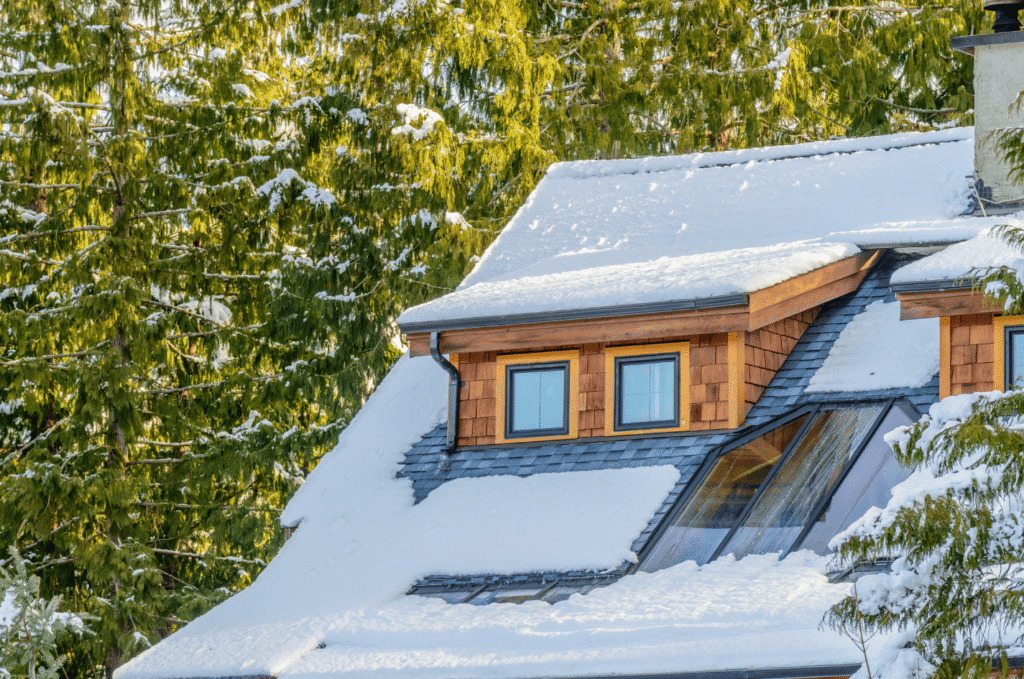
In winter, a comprehensive roof inspection should top your roof maintenance checklist. This inspection identifies potential problems while weather still permits safe access and repairs.
Your roof bears the brunt of winter’s fury, and without proper preparation, you could face expensive repairs, dangerous ice damming, or even structural damage.
The cost of emergency winter roofing repairs far exceeds the investment in preventive roof maintenance, making preparation not just wise but economically essential. Understanding how to inspect your roof in winter is essential for every Boston homeowner.
Table of Contents
Why Winter Roofing Matters in Boston
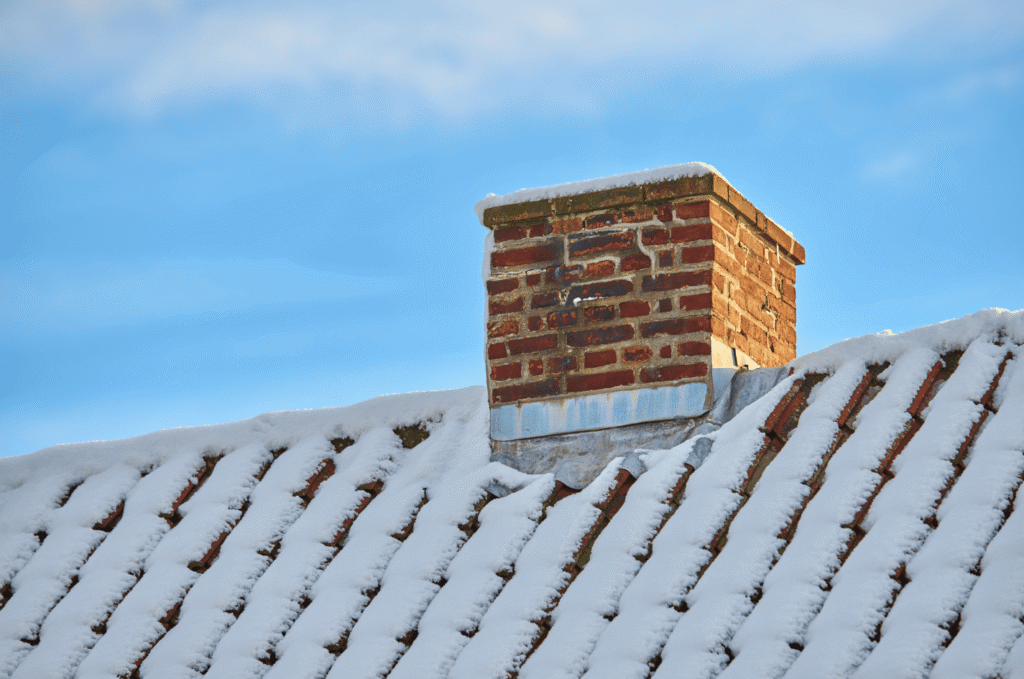
The unique climate challenges of Boston winters create a perfect storm of conditions that test your roofing system’s integrity. Heavy snow loads can exceed 20 pounds per square foot on flat or low-slope roofs, while the freeze-thaw cycles common to South Boston winters accelerate wear on roofing materials. When you factor in the potential for ice damming and the difficulty of performing roof repair during winter months, the importance of fall roof inspection during winter becomes crystal clear.
Neglecting roof winter readiness doesn’t just risk your roofing system, it threatens your entire home. Water infiltration from ice dams can damage ceilings, walls, insulation, and even your home’s electrical systems.
Ice Damming: Boston’s Winter Roofing Enemy
Ice damming represents one of the most destructive phenomena affecting Boston roofs during winter. This occurs when heat escaping through your roof melts snow on the upper sections, causing water to flow down to the colder eaves where it refreezes. As this cycle repeats, a ridge of ice forms at the roof edge, trapping water behind it. This standing water then backs up under shingles, leading to leaks and interior damage.
The root cause of ice damming isn’t just cold weather, it’s inadequate attic insulation and ventilation. When your attic space becomes too warm, it creates the temperature differential that triggers the melting-freezing cycle. Boston houses with poor insulation essentially throw money away on heating costs while simultaneously creating conditions for ice dam formation.
Proper attic insulation serves as your first line of defense against ice damming. Building codes in Massachusetts recommend insulation values of R-49 to R-60 for attics, but many older Boston homes fall significantly short of these standards. Upgrading your attic insulation before winter not only prevents ice dams but also reduces heating costs by as much as 15-20% throughout the cold months.
The Critical Role of Attic Insulation
Quality attic insulation does more than prevent ice damming, it’s fundamental to winter roofing performance and overall home efficiency. Products from big manufacturers offer advanced insulation solutions specifically designed to handle the extreme temperature variations experienced in Dorchester winters.
When evaluating your attic insulation, look for several key factors. First, check the current R-value and depth of existing insulation. Many Boston homes built before modern energy codes have inadequate insulation, sometimes as little as R-19 or R-25. Second, inspect for gaps, compression, or moisture damage that reduces insulation effectiveness. Even high-quality insulation loses performance when wet or compressed.
The type of insulation matters for roof preparation as well. Blown-in fiberglass or cellulose provides excellent coverage and fills irregular spaces that batt insulation might miss. For homeowners planning a comprehensive roof winter readiness upgrade, combining insulation improvements with proper ventilation creates a system that protects against ice dams while maximizing energy efficiency.
Proper ventilation works hand-in-hand with attic insulation. Ridge vents, soffit vents, and proper air circulation keep your attic temperature close to outdoor temperatures, preventing the warm spots that trigger snow melt and ice dam formation. A qualified roofing contractor can assess whether your current ventilation system adequately supports your insulation or if upgrades are necessary.
Conducting a Thorough Roof Inspection
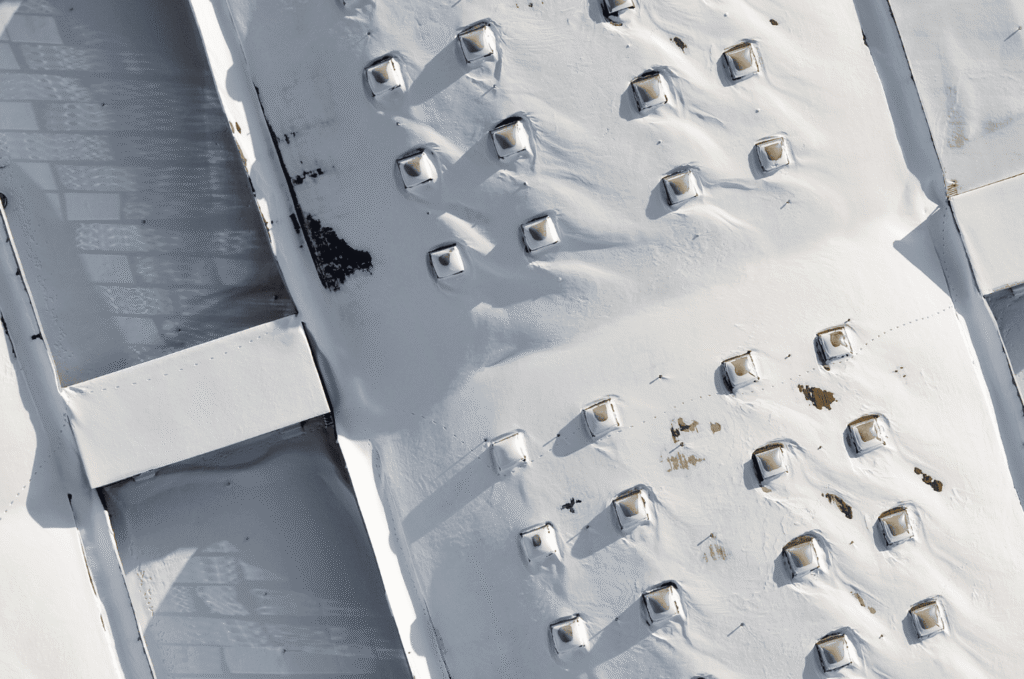
Start your roof inspection in Boston from inside the attic. Look for light penetrating through the roof deck, which indicates holes or gaps that will allow water infiltration. Check for water stains, mold, or damp insulation; all signs of existing leaks that will worsen under winter conditions. Dark streaks or stains on roof decking suggest moisture problems that need immediate attention.
Outside, examine shingles for curling, cracking, or missing granules, signs that roofing materials have reached the end of their service life. Pay special attention to valleys, flashing around chimneys and vents, and the roof edges where ice dams typically form. Damaged or deteriorated flashing represents a common source of winter leaks that often goes unnoticed until significant damage occurs.
If you’re uncomfortable performing this inspection yourself or if your roof has a steep pitch, hiring a professional roofing contractor makes sense. Roof installation experts in Wollaston have the safety equipment and trained eyes to spot problems you might miss, and they can often perform minor repairs during the same visit.
Preventing Clogged Gutters and Drainage Issues
Clean gutters and downspouts are absolutely essential for winter roofing performance. Clog gutters filled with leaves, twigs, and debris prevent proper water drainage, contributing directly to ice dam formation and potential roof damage. When gutters can’t channel water away from your roof edge, that water freezes and backs up under shingles.
Late fall represents the ideal time to clean gutters, after trees have dropped their leaves but before the first significant snowfall. Remove all debris, flush gutters and downspouts with water to ensure proper flow, and inspect for damage or sagging sections that could trap water and ice. Properly functioning gutters should slope toward downspouts at approximately one-quarter inch per 10 feet of length.
Consider installing gutter guards if you’re tired of annual cleaning or if your property has many overhanging trees. Quality gutter protection systems prevent debris accumulation while allowing water to flow freely. While these systems represent an additional investment, they reduce maintenance requirements and improve winter roofing performance year after year.
Check that downspouts direct water at least 4-6 feet away from your foundation. Winter runoff that pools near your foundation can freeze and create basement flooding issues when it eventually thaws. Extensions or splash blocks ensure proper drainage and protect both your roof and foundation.
Essential Roof Repair Before Winter
Any roof repair in Boston needs should be addressed before temperatures drop and snow arrives. Small problems identified during your inspection,missing shingles, damaged flashing, or cracked sealant, can quickly escalate into major issues under winter stress. The expansion and contraction of materials during freeze-thaw cycles widens cracks and creates new leak pathways.
Flashing repairs deserve particular attention during roof preparation. The metal flashing around chimneys, skylights, vents, and valleys represents critical waterproofing that protects vulnerable penetrations. Over time, sealants deteriorate and metal corrodes, especially in Boston’s coastal environment where salt air accelerates corrosion. Re-sealing or replacing flashing now prevents water infiltration all winter long.
Shingle replacement seems like a simple task, but proper installation matters enormously for winter performance. Shingles need adequate sealant to resist wind uplift and proper overlap to prevent water infiltration. Hand-sealing new shingles in cold weather ensures they’ll perform when tested by winter storms, as the adhesive strips require warmth to bond effectively.
For older roofs showing widespread deterioration, you might face a difficult decision: patch repairs to survive one more winter or complete roof replacement before the season arrives. An experienced roofing contractor can help you evaluate whether your roof has sufficient life remaining or if replacement makes more financial sense than continual repairs.
Choosing the Right Roofing Contractor
The roofing contractor you select for roof winter preparation significantly impacts the quality and longevity of the work. In the Boston area, look for contractors with specific experience in winter conditions and proven expertise with ice damming prevention and attic insulation.
Verify that potential contractors carry proper licensing and insurance, both liability and workers’ compensation. Roofing work involves significant risk, and you don’t want to be held liable if an uninsured worker is injured on your property. Request references from recent projects and check online reviews to gauge customer satisfaction and work quality.
Quality roofing contractors should be willing to provide detailed written estimates that specify materials (including brands like Owens Corning if recommended), labor costs, and project timelines. Be wary of unusually low bids, which often indicate shortcuts in materials or workmanship that compromise winter roofing performance.
Ongoing Roof Maintenance Throughout Winter
Regular monitoring throughout the winter helps you catch developing problems before they cause serious damage. Waiting until snow arrives makes roof repair dangerous and expensive, if not impossible until spring. After heavy snowfalls, visually inspect your roof from the ground for signs of excessive snow accumulation or ice dam formation.
If you notice ice dams developing, resist the urge to chip away at them with tools,you’ll likely damage shingles and create new leak points. Instead, use calcium chloride ice melt products in a sock or pantyhose laid across the dam to create drainage channels. Professional ice dam removal services exist for severe situations where safety concerns or extensive damming require expert intervention.
Monitor your attic during winter cold snaps. Frost accumulation on the underside of your roof deck indicates inadequate insulation or ventilation, conditions you’ll want to address before next winter. Similarly, icicles hanging from your eaves often signal the temperature imbalances that create ice dams.
Investing in Long-Term Protection
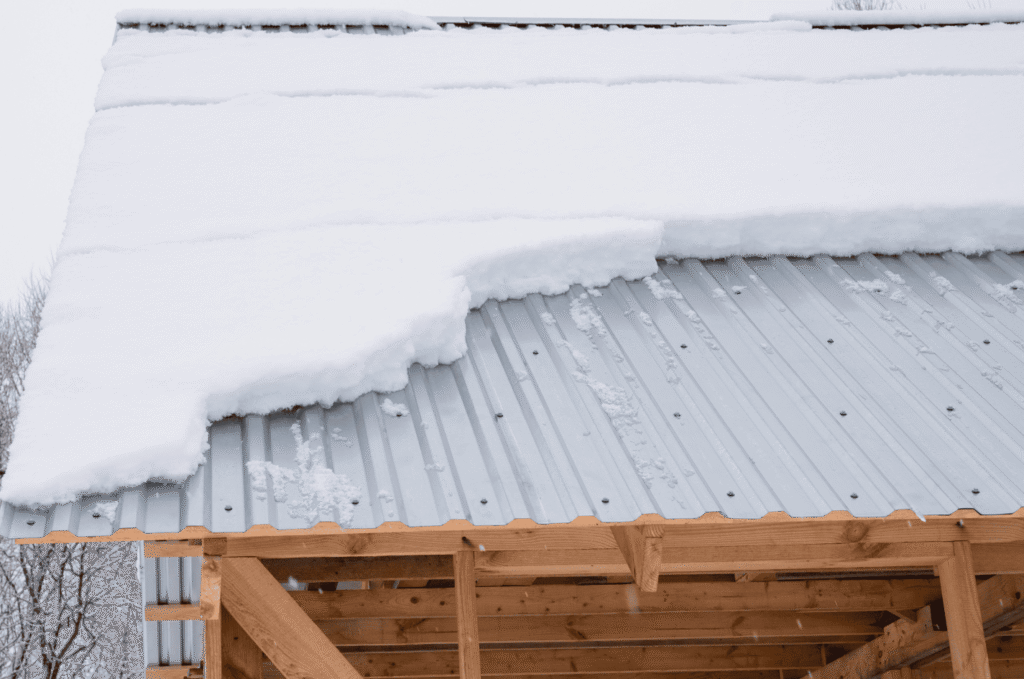
Winter roof preparation isn’t just about surviving the next few months, it’s about protecting your home investment for years to come. The steps you take this fall reduce energy costs, prevent expensive repairs, and extend your roof’s service life. When combined with quality materials, proper installation, and ongoing maintenance, your roof can withstand decades of Boston winters without major issues.
Consider your roof preparation as essential home maintenance, not an optional expense. The damage caused by ice damming, failed insulation, or inadequate drainage far exceeds the cost of preventive measures. Prepare your roof with CAN Roof Construction today, ensure a warm, dry, and safe home throughout the harsh winter months ahead.