
EPDM Roofing Explained for Flat Roofs | Rubber Roofing
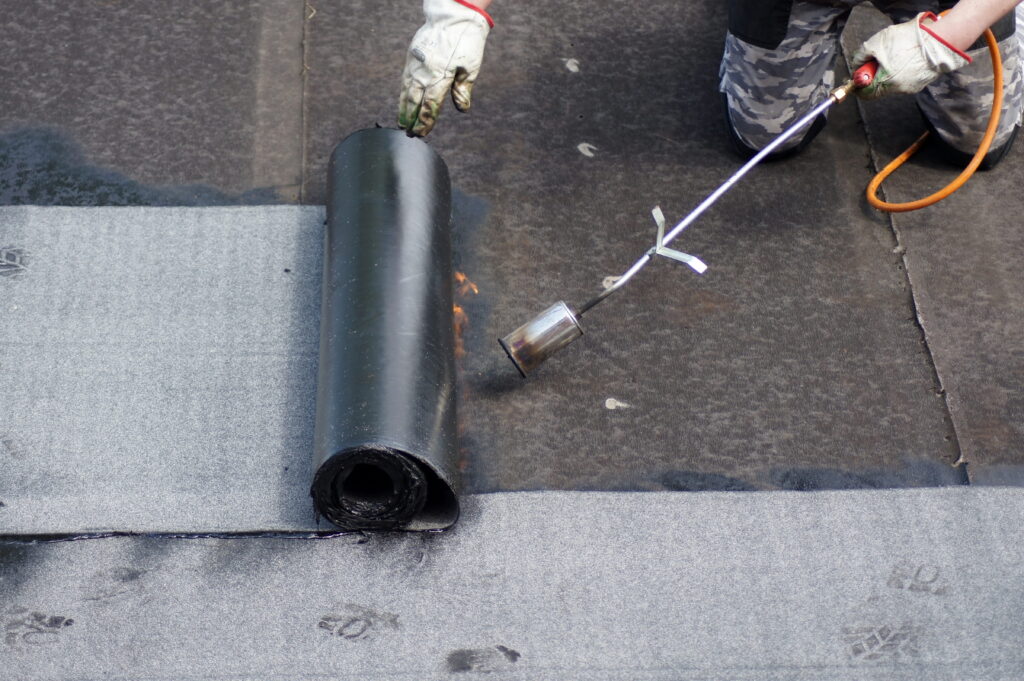
Property owners should decide carefully when having flat roofs as it affects their building’s protection for decades. EPDM roofing is the one of the most reliable and budget friendly options available today. We are here to help you determine if it’s the right choice for your flat roof project. Can Roof work with experienced roofing professionals, there you receive accurate assessments, quality installation, and proper maintenance guidance. First, let’s explore what exactly EPDM is?
Table of Contents
What is EPDM Roofing?
EPDM stands for Ethylene Propylene Diene Monomer, a synthetic rubber membrane widely used in commercial and residential flat roofing applications. This durable material has been protecting buildings since the 1960s, proving its longevity and reliability across countless installations worldwide. The rubber membrane typically comes in black sheets, though white EPDM options exist for enhanced reflectivity in hot climates.
The manufacturing process creates a highly flexible, weather-resistant material that can withstand extreme temperatures, UV radiation, and various environmental stressors. Most EPDM membranes range from 45 mils to 90 mils in thickness, with thicker options providing additional durability for high-traffic or demanding applications.
How EPDM Roofing Works
EPDM roofing functions as a continuous waterproof barrier across your flat roof surface. Installers secure large rubber sheets to the roof deck using one of three primary methods: fully adhered, mechanically attached, or ballasted systems. Each installation method offers specific advantages depending on your building’s requirements, local climate conditions, and budget considerations.
The seams between EPDM sheets receive special attention during installation. Professional roofers use specialized tapes, liquid adhesives, or heat-welding techniques to create watertight bonds that prevent moisture infiltration. When properly installed, these seams become as strong as the membrane itself, ensuring comprehensive protection against water damage.
Best Use Cases for EPDM Rubber Roofing
EPDM roofing excels in numerous applications, making it a versatile choice for different building types and climates. Understanding where rubber roofing performs best helps property owners make informed decisions about their roofing investments.
Commercial buildings with flat or low-slope roofs represent the most common application for EPDM systems. Warehouses, retail stores, office buildings, and industrial facilities benefit from EPDM’s durability and cost-effectiveness. The material handles foot traffic reasonably well, making it suitable for roofs that require occasional maintenance access.
Residential flat roofs on modern homes, garage extensions, and home additions also benefit from EPDM installation. Homeowners appreciate the material’s affordability compared to other flat roofing options, along with its proven track record of weather resistance and longevity.
Educational institutions, including schools and universities, frequently choose EPDM for their flat roof sections. The material’s fire resistance, low maintenance requirements, and extended lifespan align perfectly with institutional budgets and long-term facility planning.
Healthcare facilities and hospitals install EPDM roofing because it doesn’t release harmful chemicals, supports various climate control systems, and provides reliable protection for sensitive equipment and patients below.
Cold climate applications showcase EPDM’s remarkable flexibility at low temperatures. Unlike some roofing materials that become brittle in freezing conditions, EPDM maintains its elasticity down to minus 40 degrees Fahrenheit, preventing cracks and splits during harsh winters.
Advantages of EPDM Roofing Systems
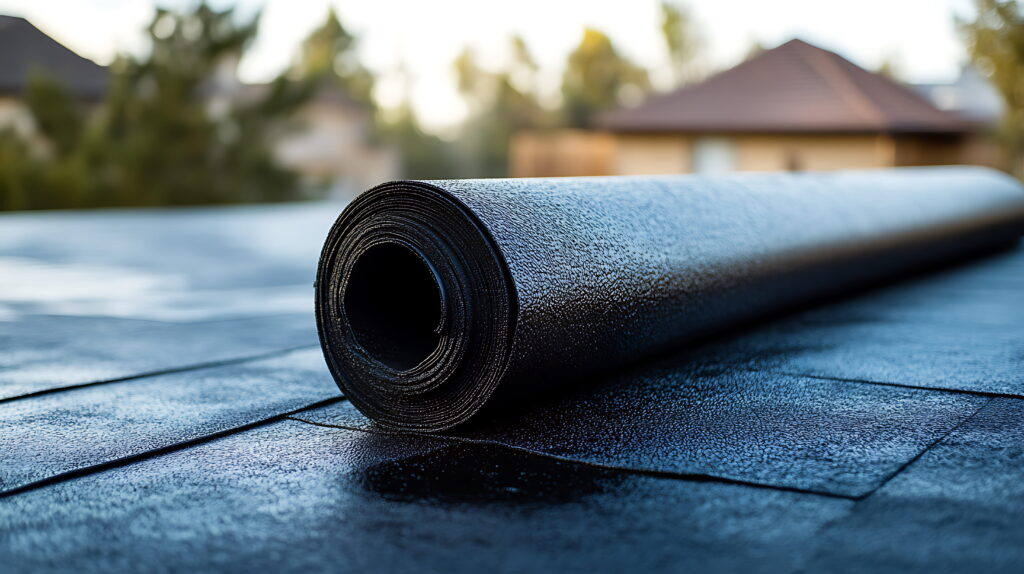
Cost-effectiveness stands out as one of EPDM’s primary advantages. The material itself costs less than many alternative flat roofing options, and installation expenses remain competitive due to the relatively straightforward application process. Property owners typically see significant savings compared to modified bitumen, TPO, or built-up roofing systems.
Durability and longevity make EPDM an excellent long-term investment. Quality EPDM roofs regularly last 25 to 30 years with proper maintenance, and some installations exceed 50 years of service life. This exceptional lifespan reduces the frequency of costly roof replacements, providing substantial value over time.
Weather resistance represents another key benefit. EPDM withstands intense UV radiation without degrading, handles temperature fluctuations without cracking, and resists ozone exposure that damages lesser materials. The rubber membrane also performs well in high-wind conditions when properly secured.
Low maintenance requirements appeal to busy property managers and homeowners. EPDM roofs need minimal upkeep beyond periodic inspections and basic cleaning. The material doesn’t require regular recoating like some roofing systems, saving both time and money throughout its service life.
Installation flexibility allows EPDM to adapt to various roof configurations. The material conforms to complex roof shapes, accommodates penetrations for vents and equipment, and works well with different insulation types. This versatility makes EPDM suitable for challenging roofing projects.
Environmental considerations favor EPDM in several ways. The material contains no chlorine or plasticizers that could leach into the environment, and many manufacturers incorporate recycled content into their products. At the end of its service life, EPDM can be recycled into new roofing materials or other rubber products.
Potential Limitations to Consider
While EPDM offers numerous advantages, understanding its limitations helps set realistic expectations. The black color of standard EPDM absorbs heat, potentially increasing cooling costs in hot climates. Property owners in warmer regions might consider white EPDM or additional insulation to address this concern.
Seam vulnerability requires careful attention during installation. Although properly sealed seams perform excellently, poor installation techniques can create weak points where leaks may develop. Hiring experienced EPDM installers significantly reduces this risk.
Puncture susceptibility means EPDM can be damaged by sharp objects, falling tools, or excessive foot traffic. However, repairs are straightforward and relatively inexpensive when damage occurs. Many roofing professionals keep patch kits on hand for quick fixes.
Aesthetic limitations might concern some property owners. EPDM’s black rubber appearance doesn’t offer the architectural appeal of some premium roofing materials. For buildings where appearance matters significantly, alternative roofing systems might be preferable.
EPDM Installation Considerations
Professional installation makes all the difference in EPDM roofing performance. While DIY enthusiasts sometimes attempt EPDM installation, professional contractors bring expertise that ensures proper adhesion, correct seam sealing, and appropriate flashing details around roof penetrations and edges.
Roof preparation plays a crucial role in installation success. Contractors must ensure the roof deck is clean, dry, and structurally sound before applying EPDM. Any existing damage requires repair, and the substrate must be smooth to prevent punctures from below.
Insulation integration affects both energy efficiency and system performance. Contractors typically install rigid insulation boards beneath the EPDM membrane, improving thermal performance while providing a stable surface for the rubber membrane. Proper insulation also prevents condensation issues that could compromise roof deck integrity.
Maintenance Best Practices
Regular inspections catch minor issues before they become major problems. Property owners should schedule professional roof inspections at least twice yearly, typically in spring and fall. These examinations identify loose seams, membrane damage, drainage problems, and other concerns requiring attention.
Cleaning removes debris that could trap moisture or damage the membrane. Simple washing with mild detergent and water keeps EPDM clean and helps inspectors spot potential problems. Avoid harsh chemicals or petroleum-based cleaners that might degrade the rubber.
Prompt repairs prevent small problems from escalating. When damage occurs, professional roofers can patch or seal affected areas quickly and effectively, restoring full waterproof protection without replacing the entire roof.
Is EPDM Right for Your Flat Roof?
EPDM roofing represents an excellent choice for property owners seeking reliable, affordable, and long-lasting flat roof protection. The material’s proven performance across diverse applications, from commercial warehouses to residential additions, demonstrates its versatility and effectiveness.
Consider EPDM if you value cost-effectiveness without sacrificing quality, need a low-maintenance roofing solution, want proven durability in harsh weather conditions, or operate on a budget that requires maximum value. The material works exceptionally well for functional buildings where aesthetics take a back seat to performance and economy.
However, if your building requires premium aesthetics, experiences extreme heat without adequate insulation, or needs specialized features that other roofing systems provide better, explore alternative options alongside EPDM during your research process.
Working with experienced roofing professionals ensures you receive accurate assessments, quality installation, and proper maintenance guidance.
Can Roof experts evaluate your specific situation, recommend appropriate membrane thickness and installation methods, and provide warranties that protect your investment for years to come.Get free consultation now for ideal applications and proper care requirements.