
What Is Standing Seam Metal Roofing? Here’s What You Need to Know
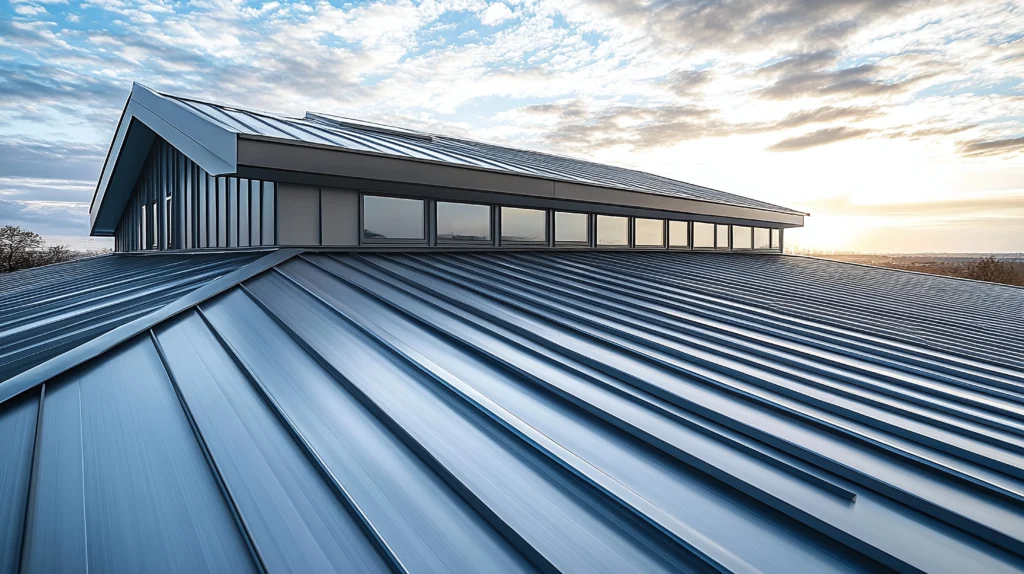
Standing seam metal roofing is a high-quality option where metal panels run vertically from the top of your roof to the edges. Unlike other systems, they connect with no visible screws or nails. But, they use a hidden fastener system. The panels lock together along raised seams, then all the fasteners stay out of sight.
Think of it like a zipper, each panel has legs that either snap together or get mechanically crimped with a special seaming tool. So this gives you a sleek, modern look with continuous vertical lines and no visible fasteners interrupting that surface.
The raised seams typically sit about 1 to 2 inches above the flat part of the panel, creating that distinctive profile that’s become increasingly popular on both residential homes and commercial buildings.
Table of Contents
Types of Standing Seam Systems
Not all standing seam roofs are equal. There are three main types of them:
Mechanical lock panels are the gold standard. A contractor uses a hand seamer or electric seaming machine to crimp the two panel legs together, creating an extremely tight, weather-resistant connection. If you live in a place with harsh weather conditions, or your roof has a lower pitch, your option will be mechanical lock panels.
Snap-lock panels are easier and faster to install because they simply snap together and there is no need for special equipment. They’re a more affordable option,therefore don’t provide the same weather protection as mechanically seamed panels. They’re fine for steeper roofs and moderate climates.
Nail strip or flange panels have a flange that gets nailed to the roof deck before the next panel snaps over it. These are the most budget-friendly options and still offer that standing seam appearance.
Pros of Standing Seam Metal Roofing
It Lasts Forever
Standing seam metal roofs are durable. We’re talking 30 to 50 years minimum, with many lasting 70 years or more. Compare that to asphalt shingles that need replacing every 15 to 20 years, and suddenly that higher upfront cost starts making more sense. Steel and aluminum don’t crack, curl, or deteriorate the way traditional roofing materials do.
Weather Doesn’t Stand a Chance
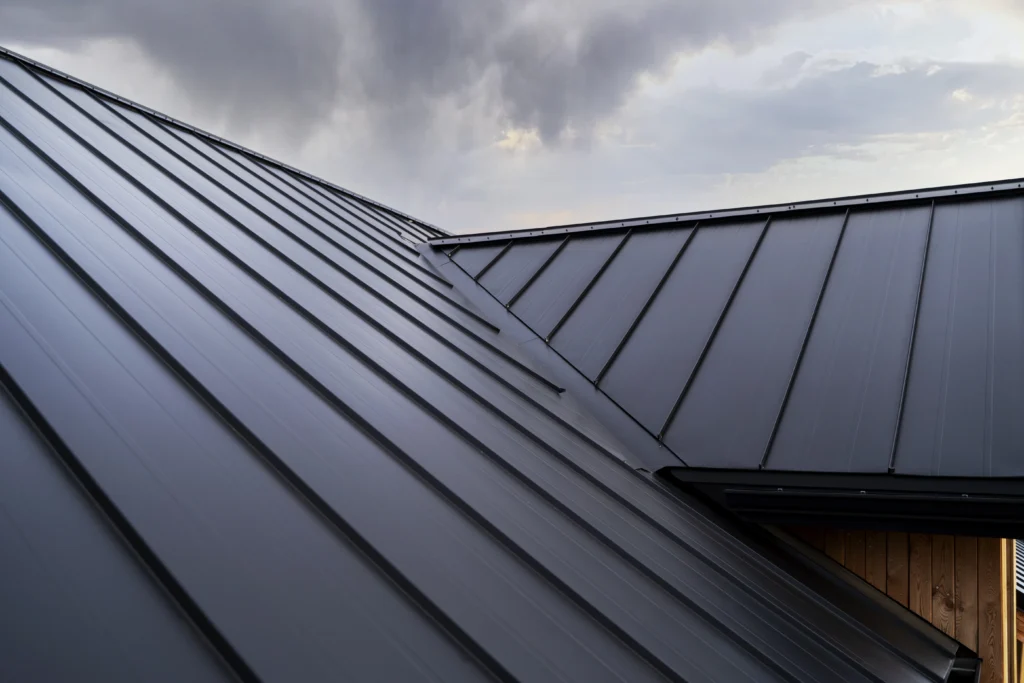
Because the fasteners are hidden under the panels rather than exposed on the surface, there are no penetration points where water can sneak in. The interlocking system creates a continuous weather barrier from top to bottom. Standing seam roofs regularly handle winds over 120 mph when properly installed, becoming ideal for hurricane-prone areas and regions that see severe storms.
Your Energy Bills Will Thank You
Metal roofs reflect solar heat instead of absorbing it like dark asphalt shingles. Many standing seam systems come with reflective coatings that can reduce cooling costs by 10-25%. Some even qualify for ENERGY STAR ratings, which means potential tax credits. In the summer, your attic stays cooler, your AC doesn’t work as hard, and you save money every month.
Low Maintenance Life
Once it’s up there, a standing seam metal roof pretty much takes care of itself. No exposed fasteners means no screws backing out or rubber washers deteriorating over time. You won’t deal with missing shingles after every windstorm. Just keep your gutters clean and maybe rinse the roof occasionally; that’s about it. The panels resist mold, mildew, and algae growth naturally.
It Moves With the Seasons
This is where the standing seam really shines. Metal expands when it’s hot and contracts when it’s cold, that’s just physics. Standing seam systems use special clips that allow the panels to move freely up and down as temperatures change. This prevents the stress and buckling unlike other metal roofing types. This smart engineering extends the life of the roof.
Eco-Friendly Choice
Most metal roofing contains 25-95% recycled content, and it’s 100% recyclable at the end of its life. You’re not contributing to the 20 billion pounds of asphalt shingle waste that hits landfills every year. That long time means fewer manufacturing cycles and less environmental impact over time.
Cons of Standing Seam Metal Roofing
It’s Expensive Upfront
Standing seam metal roofing costs significantly more than traditional options, from $8 to $14 per square foot installed, compared to $3 to $5 for asphalt shingles. It will take $15,000 to $30,000 for an average home. Yes, you’ll retake some of them through energy savings and long replacement time, but that initial investment is matter.
Installation Isn’t DIY Territory
This isn’t a weekend project. Standing seam installation requires specialized skills, tools, and experienced professionals. The panels need to be measured and cut precisely, the seams need to be locked correctly, and the clips must be installed at the right spacing but don’t worry!
Can Roof is always here for you. Our skilled technicians will take precise measurements and use the right tools to install or replace your roof quickly.
Oil Canning Is a Thing
Oil canning is that wavy, rippled appearance that can develop in the flat areas between the seams. It’s more of a cosmetic issue than a structural one, but it bugs some people. Thicker gauge metal (24 gauge instead of 29 gauge) helps minimize it, as does proper installation technique. Just know that some degree of oil canning is considered normal in the industry.
Rain Can Be Noisy
If your roof lacks solid sheathing and enough insulation, rain and hail can be very noisy. This usually isn’t an issue, since many standing seam roofs are installed over solid decking with insulation that reduces sound. However, if you’re switching from shingles to metal on an older house, you may need to add more insulation to keep the noise down.
Repairs Aren’t Simple
If a panel gets damaged, replacing it means separating the interlocking seams, which can be tedious and expensive. You can’t just swap out one shingle like with asphalt. The entire panel usually needs to be removed and replaced, sometimes requiring adjacent panels to be temporarily detached as well.
Complex Roofs Get Complicated
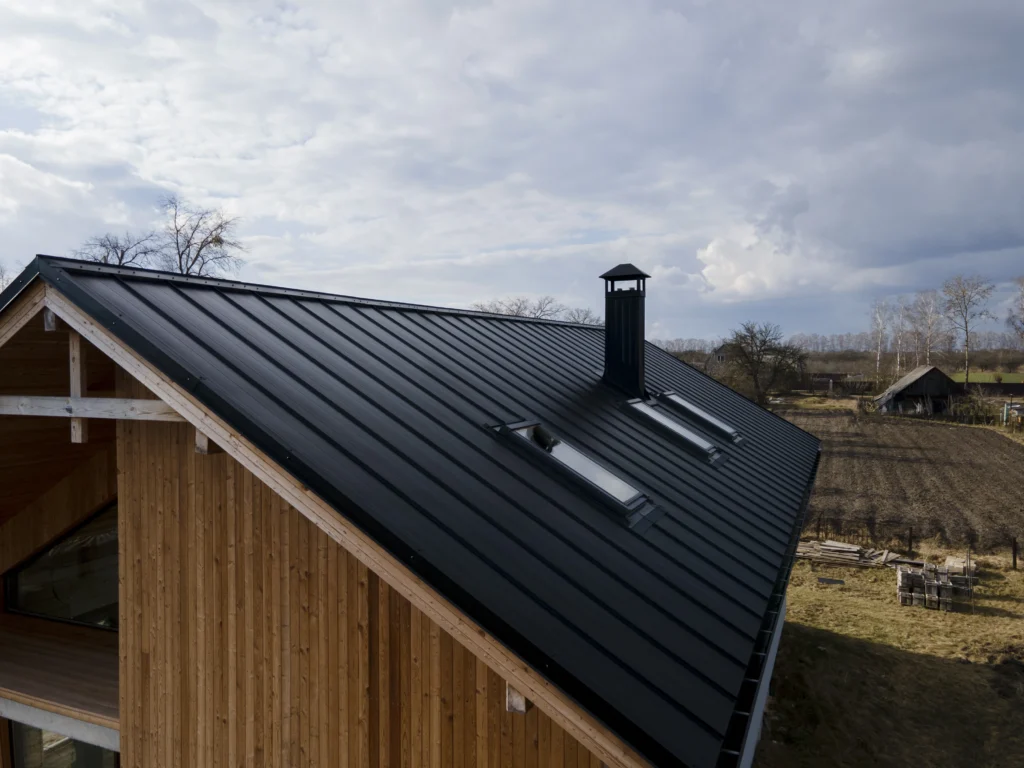
Standing seam works beautifully on simple gable or hip roofs, but homes with lots of valleys, dormers, chimneys, and angles require extra cutting and custom flashing. All those transitions create more potential leak points and drive up installation costs. Some very complex roof geometries just aren’t ideal candidates for standing seam.
Is Standing Seam Metal Roofing Worth It?
Here’s my honest opinion: standing seam metal roofing makes the most sense if you’re planning to live in your current house long-term and durability and low maintenance are important for you. If you live in an area with unusual weather; hurricanes or heavy snow, this weather protection is worth it.
However, if you’re house-flipping, on a tight budget, or dealing with a very complex roof design, you might want to consider other options.
As a conclusion, standing seam metal roofing is a premium product with a good performance. It costs more because it offers more protection, more longevity, and more peace of mind.
Just make sure you call a qualified contractor such as Can Roof, get multiple quotes, and don’t cut on material quality.